The Daily Journal — Venezuela’s government on Tuesday raised the death toll from the two earthquakes that struck on June 24 to 1,943. Officials also confirmed that rescue teams continue searching for survivors beneath the rubble, while aftershocks have declined in both frequency and intensity.
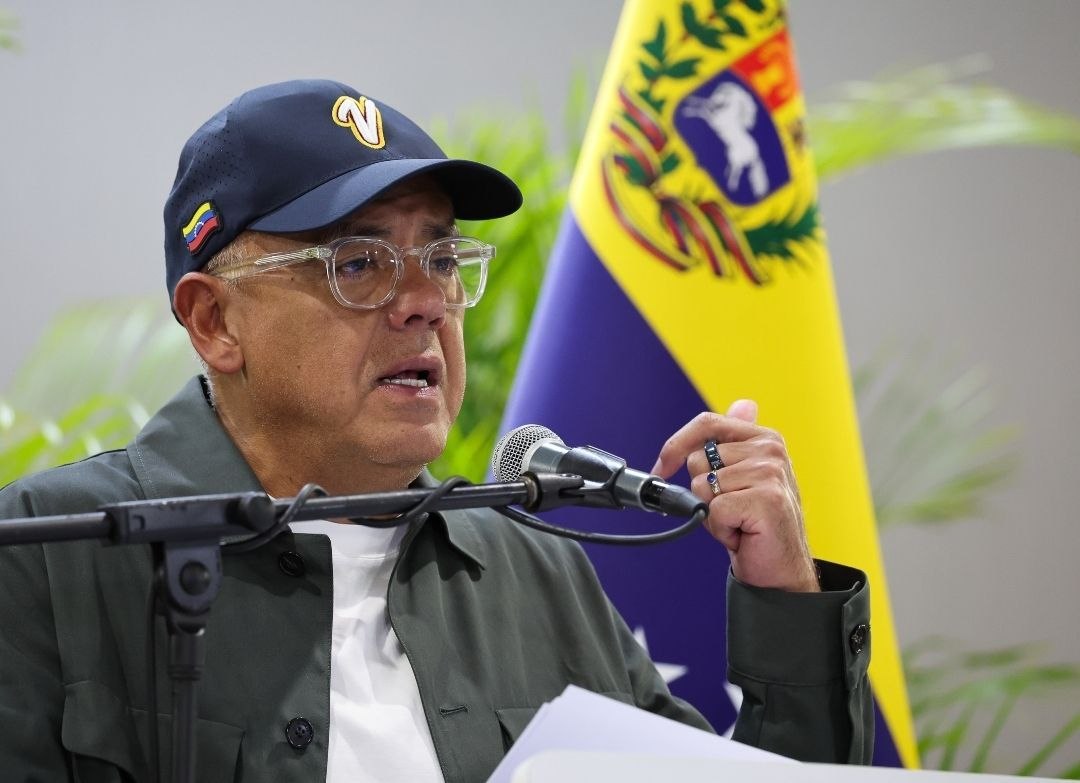
Jorge Rodríguez, president of the National Assembly, presented the latest official update. Six days after the disaster, authorities continue rescue operations with support from national and international emergency teams.
“We must continue the relentless search for people who are still alive. We must hold on to the hope of finding more survivors beneath the rubble,” Rodríguez said. He also announced that rescuers pulled a two-year-old boy alive from the debris during the early morning hours. The child is currently receiving medical treatment in Caracas.
According to official figures, the disaster has claimed 1,943 lives, injured 10,571 people, and displaced 15,866 residents.
Rodríguez added that 28,380 people are currently receiving direct government assistance, including patients in hospitals and families staying in shelters or temporary camps.
Aftershocks decline, but the risk remains
Rodríguez reported that authorities have recorded 689 aftershocks since the two earthquakes struck on June 24.
He explained that seismic activity has been declining. Authorities recorded 86 aftershocks on June 28 and 30 on June 29.
He also noted that the average magnitude of the aftershocks has declined, but warned that the danger has not disappeared.
“That does not necessarily mean the risk of another dangerous event has completely passed,” he said.
Shelters and relocation efforts
Authorities said 14 shelters remain open in La Guaira, while 55 additional shelters continue to operate across Caracas, Miranda, and other affected states.
Rodríguez announced that the government will begin relocating people from temporary camps—including the one set up at the Caraballeda Golf Course—to shelters with better living conditions between Tuesday and Wednesday.
According to Rodríguez, President Delcy Rodríguez has instructed authorities to minimize the time families spend in temporary facilities, move more quickly toward permanent housing solutions for those who lost their homes, and accelerate repairs to buildings that remain structurally recoverable.
Water, electricity, and communications
As part of the humanitarian response, the government reported distributing 3,191,692 liters of drinking water.
Rodríguez also said crews have restored nearly all electrical service in La Guaira. Telecommunications have also recovered significantly, making it easier for affected residents to reconnect with family members.
More than 3,600 international rescuers join the response
The official highlighted the participation of 51 international delegations in search-and-rescue operations.
According to the government’s latest report, foreign teams include 3,660 rescue workers, 148 search-and-rescue dogs, 49 specialized vehicles, and 707,000 tons of humanitarian aid.
Alongside those international teams, 26,121 Venezuelan emergency personnel continue operating in the disaster zone, primarily in La Guaira.
Rodríguez also reported that 15,467 volunteers have registered to support rescue operations, logistics, food distribution, medical care, security, and damage assessments.