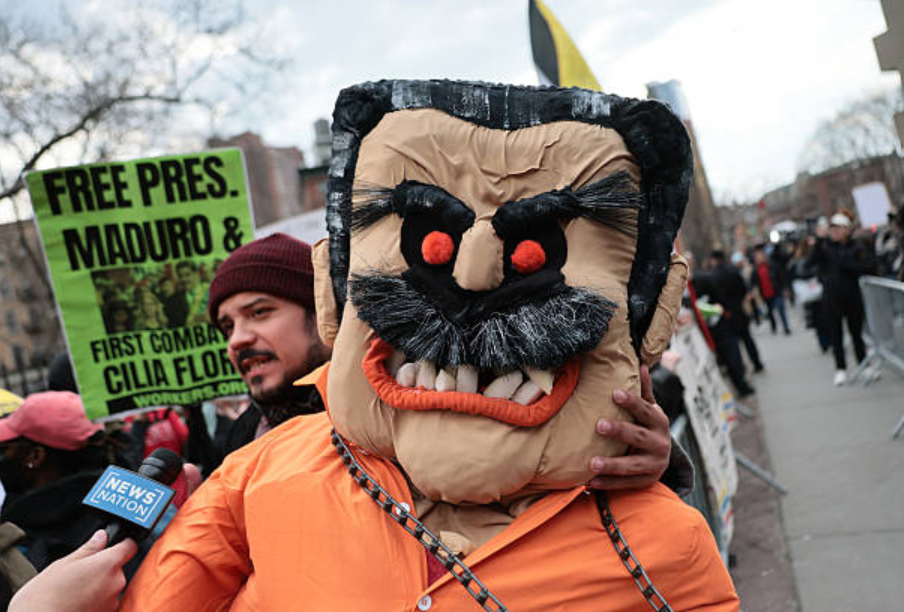
The Daily Journal.— As Nicolás Maduro and Cilia Flores complete six months in custody in the United States, where they face criminal proceedings before the United States District Court for the Southern District of New York, a recent survey by Delphos provides a snapshot of Venezuelan public opinion on the political landscape that followed the January 3 military operation that ended Maduro’s government.
Researchers presented the study during the Prospectiva 2026 – Second Semester event organized by the Center for Political and Government Studies at the Andrés Bello Catholic University. The findings show broad public support for political change in Venezuela, while a majority of respondents agreed with the operation that led to the former president’s capture.
Maduro and Flores pleaded not guilty to charges brought by U.S. prosecutors, including conspiracy to commit narco-terrorism, conspiracy to import cocaine into the United States, and firearms-related offenses. The court has scheduled the next hearing for July 22.
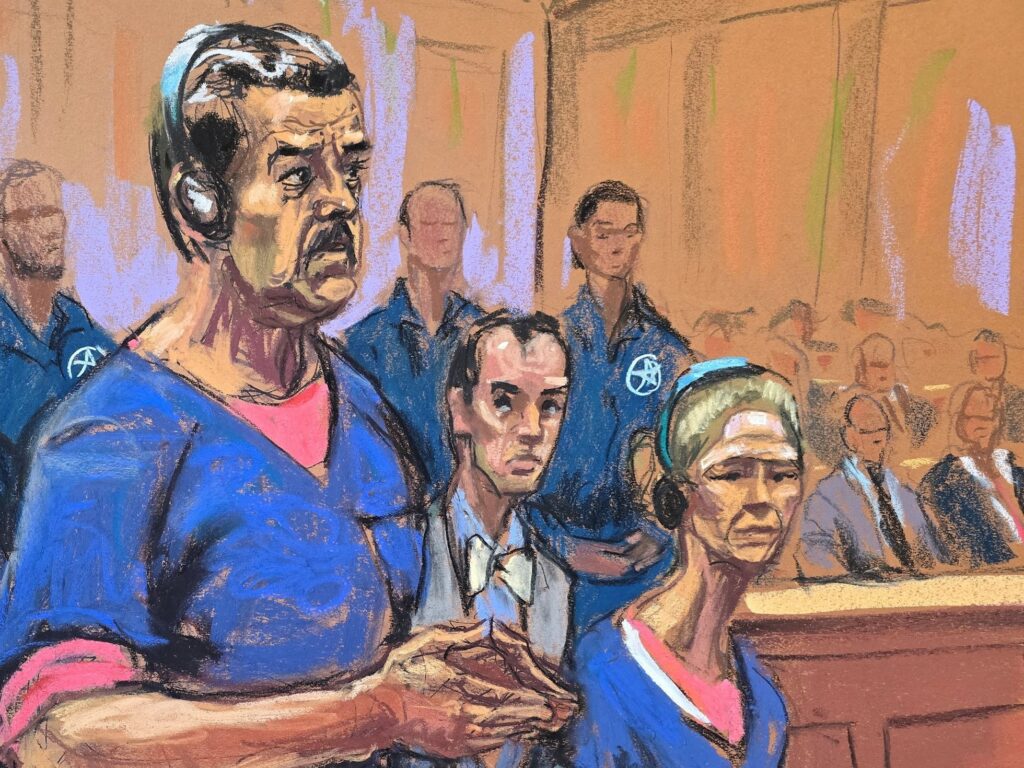
More recently, the families of five young people killed in Venezuela filed a lawsuit against Maduro in a U.S. court, accusing him of ordering extrajudicial executions as part of a broader pattern of state violence.
Majority supports the January 3 military operation
The nationwide Delphos survey found that 54.6% of Venezuelans agree with the events of January 3, while 35.7% disagree.
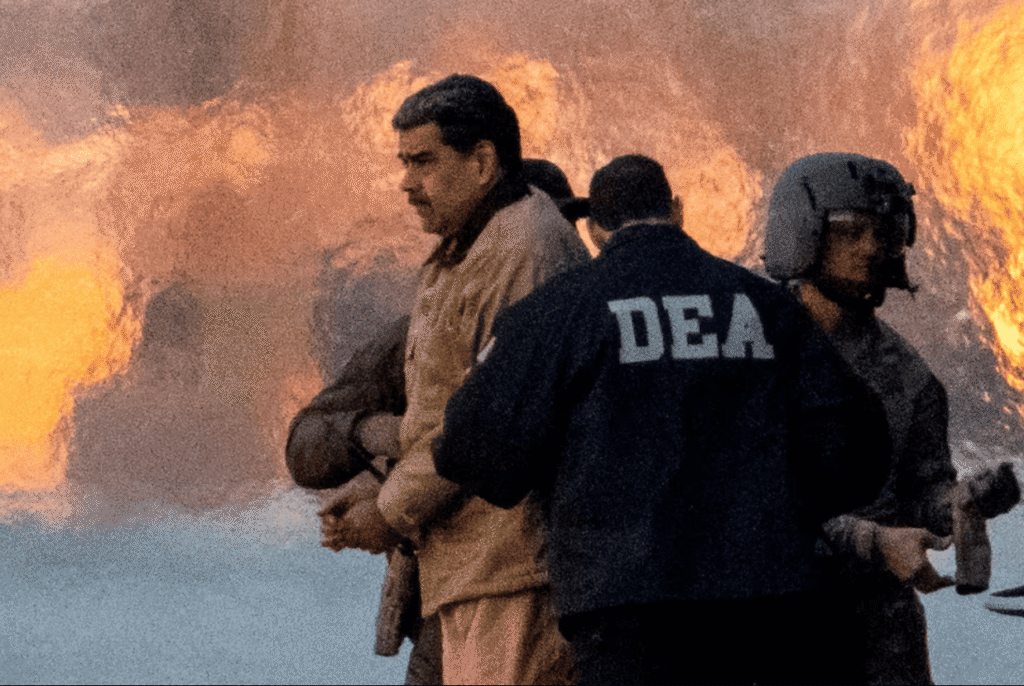
The study also shows that public awareness of the U.S. strategy varies across the population. According to the survey, 57.3% said they knew about or had heard of Washington’s three-phase plan, while 42% said they were unfamiliar with it.
Demand for political change reaches its highest level
One of the survey’s most significant findings is the growing demand for political change.
In November 2025, 77.1% of respondents considered a change of government “very necessary.” By June 2026, that figure had climbed to 87.6%, the highest level recorded by the poll.
The survey also shows a shift in Venezuela’s political identification.
Chavismo now represents 16.3% of respondents. Within that group, only 7% identify themselves as firm government supporters, while 9.3% describe themselves as dissatisfied Chavistas.
The opposition accounts for 43% of public support. Among them, 29.1% support opposition leader María Corina Machado, 3.3% support another political leader, and 10.6% do not support any leadership.
Elections viewed as the main path to transition
Regarding the preferred mechanism for political change, 74.1% of Venezuelans believe the transition should occur through elections.
However, when asked about the country’s immediate priority, 55.7% said economic recovery should take precedence over holding new elections.
Public evaluation of Delcy Rodríguez’s administration
The survey also measured public opinion about the administration that took office after Maduro’s capture.
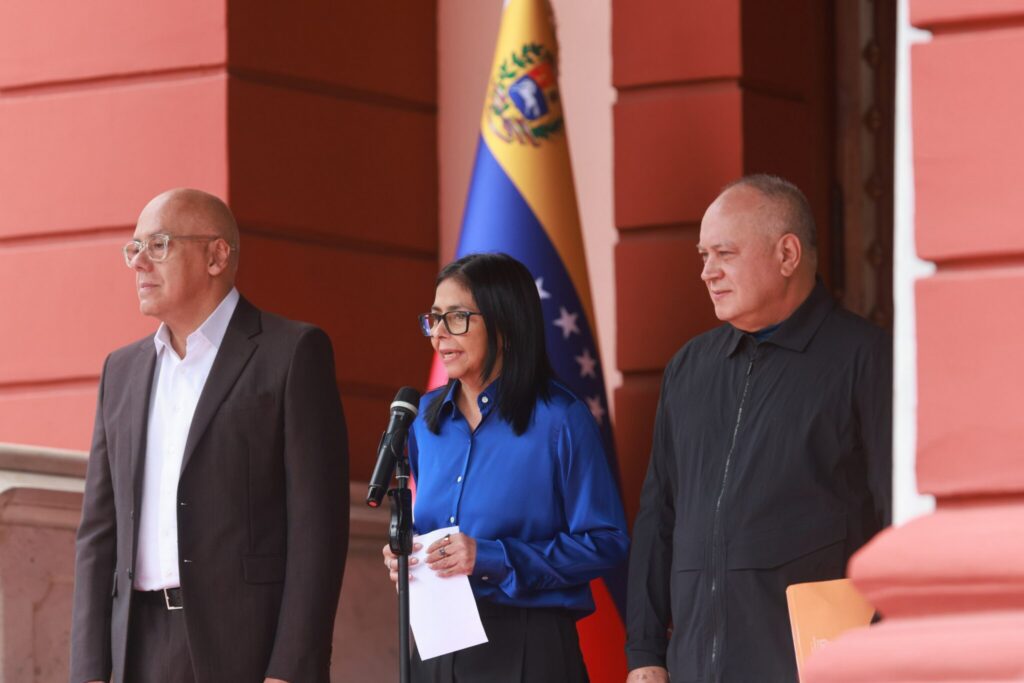
According to the findings, 66.8% of respondents rate acting president Delcy Rodríguez negatively, while only 23.5% evaluate her administration positively.
In addition, 55.6% believe the current government resembles Maduro’s administration, while 35.2% perceive differences between the two governments.
Expectations for justice and reconciliation
On the issue of political transition, the survey reflects a divided society regarding the mechanisms needed to guarantee institutional stability.
Only 22% would accept keeping key figures from the former government in office to prevent power vacuums. Meanwhile, 48.5% reject a political alliance with pro-government sectors to facilitate the transition.
Regarding a possible reconciliation process, the study found that 28.2% have a high willingness to grant political forgiveness in exchange for a peaceful transition, 20% have a moderate willingness, and 46.8% have little willingness to do so.
At the same time, 45% of Venezuelans believe authorities should punish everyone responsible for human rights violations, indicating that demands for justice remain a significant part of public expectations for the country’s political future.
Although 58.9% of respondents reported feeling hopeful when the survey was conducted in June, the overall assessment of the country’s situation remains largely negative. 61.8% believe Venezuela continues to face unfavorable conditions, showing that expectations for change coexist with a critical view of the nation’s current reality.