Voces 101.5 FM has continued broadcasting from the disaster zones, explains its president, José Félix Varela
By Vanessa Davies
Giving a voice to those who lost loved ones and their homes in the June 24 earthquakes in La Guaira has become the new mission of Voces 101.5 FM. Its president, José Félix Varela, decided to honor the station’s name by standing alongside those affected by the disaster in the way he knows best: keeping the microphone open in the hardest-hit areas.
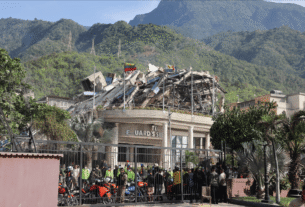
The station operates from the Casa del Poder Popular in Caraballeda, a building that also suffered damage during the earthquakes.
“We had to recover our equipment, and now we’re making the effort to operate as a mobile radio station. That means we go to the places with the greatest destruction, to the areas where displaced families are staying, and we broadcast from there,” Varela explains.
The Organized People’s Power (OPP) facilities in Playa Los Cocos and the Caraballeda Golf Course are among the locations where Voces 101.5 FM has maintained a presence.
This work has given people an opportunity to say, “I’m here, I’m alive, these are our needs, these are our complaints.” As Varela puts it, “the radio has become a way to spread the word and let people tell, in their own voices, what they are living through.”
“Thanks to friends from outside and people who made donations, we were able to buy a power generator. They also brought us a Starlink antenna, which allowed us to reconnect our equipment. We now broadcast regularly through TikTok, YouTube, and Instagram,” Varela notes.
Every day, between 12:00 p.m. and 1:00 p.m., the team sets up its equipment in a different community so residents can speak and even let relatives know they are alive.
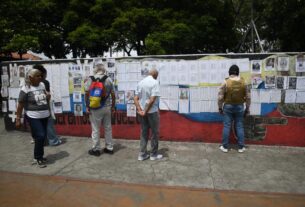
“There are still areas in Macuto and Caraballeda without electricity, so communication is much harder. A family member may believe someone has died when that person is actually staying in one of the shelters. For example, many people are at the Caraballeda Golf Course. When relatives see familiar faces on the broadcasts, they can say, ‘Oh, there’s my son,’ or ‘There’s my brother.’ The radio helps people find out what has happened.”
Security and the recovery of bodies
Listening closely to residents has revealed two recurring concerns, Varela says. One of them is security.
“There are young men and some officials who have not honored their uniforms. They have looted homes, taking televisions, air conditioners, and other belongings. People have had to organize themselves to protect their neighborhoods. In fact, we see severely damaged areas where residents are sleeping on sidewalks and in the streets because they are afraid that looters will strip what remains of their homes,” he explains.
Another recurring concern involves heavy machinery and the recovery of victims’ bodies.
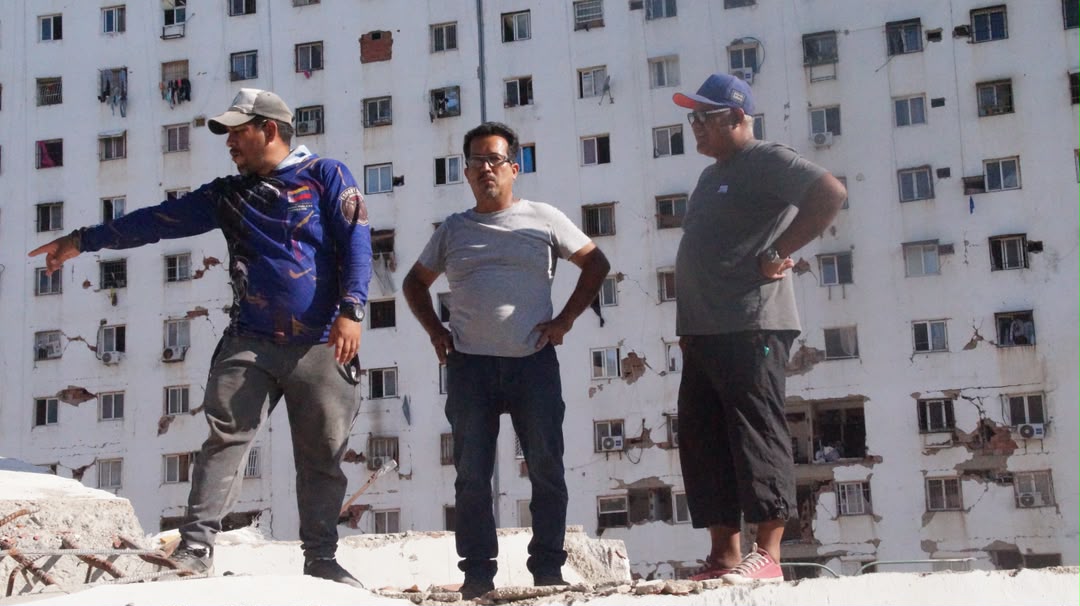
“People need machinery to help recover the bodies of their relatives. But the contractors carrying out demolitions—because they have to clear the land, and we understand that—must respect the fact that everything has its proper time,” he stresses.
In other words, the equipment “moves too quickly and does not allow enough time to recover the bodies. People still hope to find someone alive. But beyond the survivors, they also want to give their loved ones a dignified burial.”
One message continues to echo throughout the station’s broadcasts: please do not demolish these sites yet.
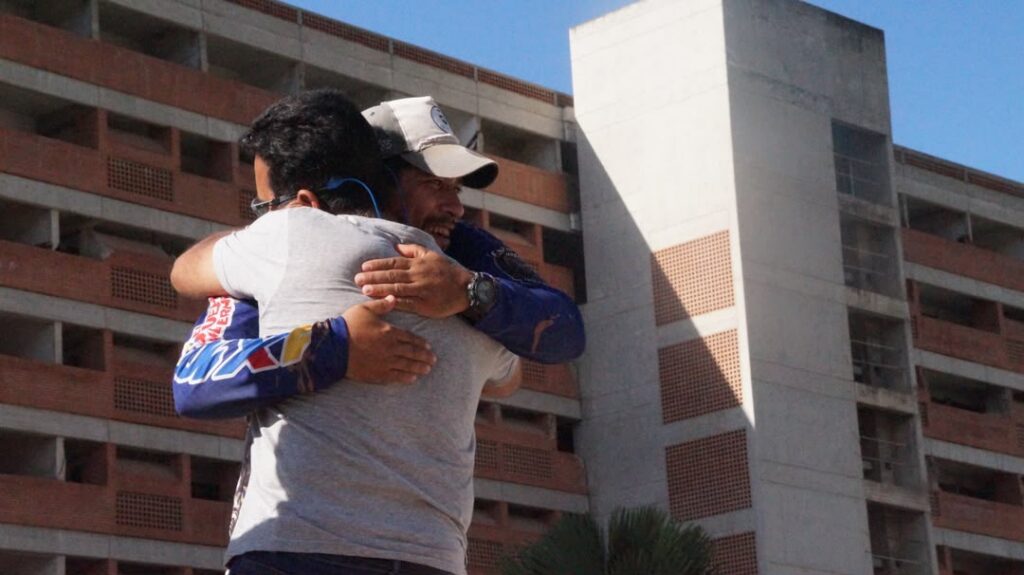
Photo: Oswaldo Rivero
My future, my decision
A third concern, the broadcaster adds, centers on the future.
“There is a great deal of uncertainty. We cannot talk about a reconstruction process like the one after 1999, because it is obvious that you cannot repair what can no longer be repaired. But whatever the State decides to do, the people of La Guaira want to take part. They want their opinions to matter. They want a seat at the table. This is their life: what their economic activity will be, what their future will look like, and how they will contribute to what comes next.”
Varela also emphasizes that misinformation remains widespread.
“The people of La Guaira do not want to be spectators to the decisions the government makes. They do not want to watch from the sidelines or become nothing more than laborers for outsiders. They want to remain active in their own economy—in tourism, fishing, commerce, and services. They want to help shape their own recovery.”