Dr. Juan Barreto, Director of The Daily Journal for Venezuela and Latin America
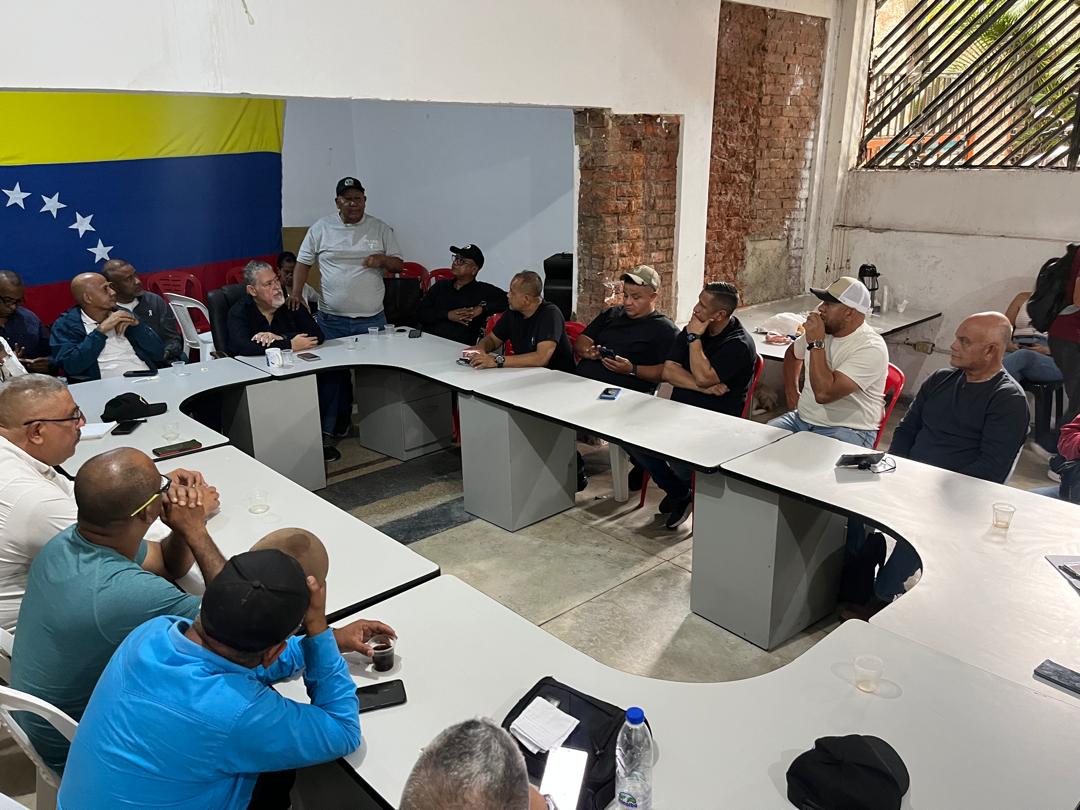
This weekend, workers from across the country gathered in Caracas. Curiously, neither influencers nor journalists paid by the rival opposition factions said a word about it. They look the other way and clear their throats uncomfortably.
Representatives from the main branches of companies across the Venezuelan economy attended the meeting. Of the 25 unionized areas or sectors, 20 groups of federations, emerging organizers, and grassroots working-class leaders took part. More than 100 genuine labor leaders representing thousands of workers came together and reached an agreement.
Why did representatives from across the country come to Caracas? Why did representatives of oil workers, Guayana unions, basic industries, the electricity sector, education, healthcare, construction, transportation, and cement come? Why did they decide to meet?
It turns out that the workers have decided to consult the people directly through a major national dialogue they call “From the Heart of the People.”
What is the purpose of this consultation? Workers say they are tired of waiting for answers from the political elites. They argue that beyond the government and the opposition, there is a people that suffers, dreams, laughs, works, and resists. They say the dialogue must take place with the people and come from the people.
So, according to the workers, this proposal does not target anyone. It is not against the government or the opposition. If tomorrow, for example, acting President Delcy Rodríguez decides to activate the pension fund and acknowledge the social debt owed to workers, they will, of course, support it. This is not about becoming anyone’s fanatic, but neither is it about serving as a springboard for the same old politicians and their ambitions.
This is not about opposing everything and everyone; it is about supporting what deserves support because it benefits workers and the people. They will not give any leader a blank check, no matter how charismatic or self-assured that leader may be. They say leadership belongs to the collective, not to individuals or self-appointed, providential cliques. They will not play the role of cheerleaders or supporting actors in someone else’s movie. They see themselves as the protagonists. Nor will they enthusiastically raise their hands to approve whatever some leader happens to propose.
The point is to give visibility to a sector of society — incidentally, the majority — that produces the wealth, bears the heaviest burden when sacrifices come, and gets pushed aside when elites negotiate. Workers are the invisible social force that finds no representation in any elite or political clique.
Venezuela’s workers seem to have grown tired of the theater and the guachafita — the political farce. They seem to be embracing that Spanish slogan: “They don’t represent us,” or the slogan Chávez popularized and Milei later made his own: “Go to hell, bureaucrats; go to hell, elites; go to hell, those who represent no one but themselves.”
In the document already circulating, labor leaders talk about building a political organization to represent themselves. They say that just as they will not give anyone a blank check, they will hold assemblies throughout the country and listen to the people. And if elections take place, they will put forward their own slates and candidates, chosen through assemblies from the bottom up, for every elected public office.
A proposal like this seems to make the political establishment tremble. So it is better to hide it and make sure no one hears about it. Censorship and silence try to block out the sun with one finger. Workers also criticize establishment politicians who appear onstage only at press conferences and in prearranged interviews with major media outlets, while secretly meeting, making decisions, striking deals, and reaching understandings among themselves without considering the interests of the vast majority.
This phenomenon is neither apolitical nor anti-political. It is a different kind of politics. Influencers and communicators serving various political factions have turned a blind eye. It almost seems as though this event never happened, because denying it is more convenient for those who serve particular leaders, ambitions, and aspirations. But what this gathering reveals goes beyond a symptom: it is evidence that the elites are going their own way, while the people have had enough, are organizing, and have set themselves in motion.