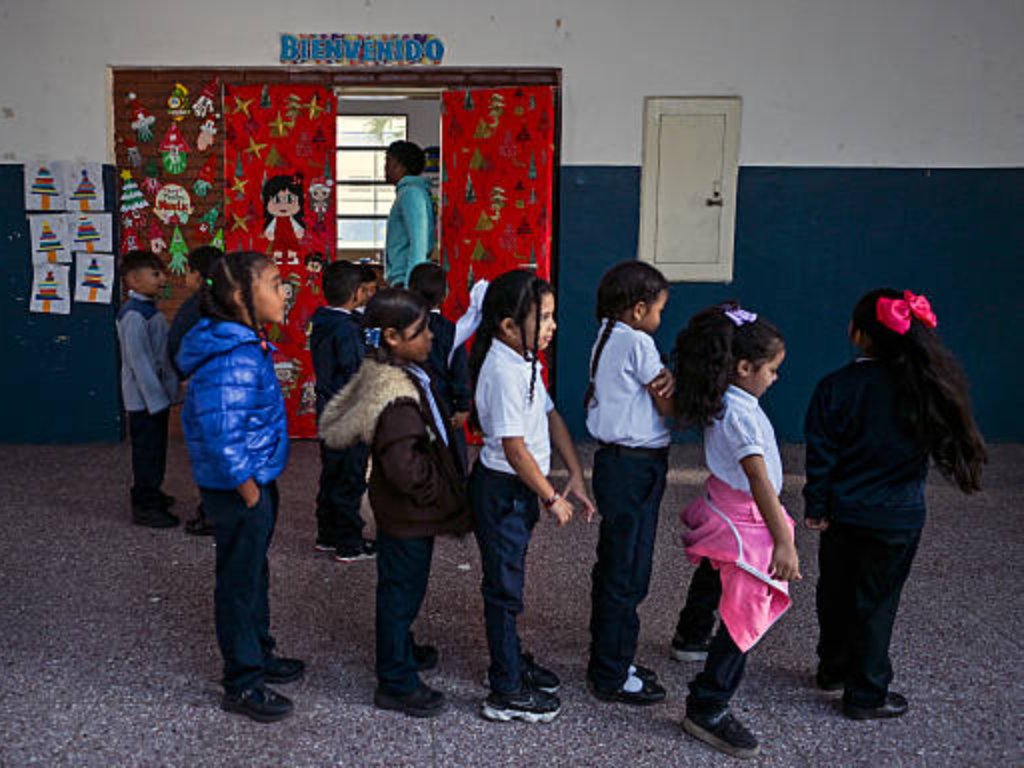
The Daily Journal.— Venezuela begins the 2026-2027 school year this Monday, Sept. 14, with more than six million students expected to return to classrooms. The government says 27,000 educational institutions are ready to welcome them, while the Venezuelan Federation of Teachers (FVM) warns about infrastructure deficiencies, low salaries and the loss of labor benefits.
Students are also returning to school less than three months after the two earthquakes that struck on June 24 and damaged more than 1,000 schools across the country, according to official figures. The damage prompted authorities to launch assessment and rehabilitation work at school facilities.
Education Minister Héctor Rodríguez reiterated that the education system includes approximately 27,000 institutions, from preschool through high school, including national, state and municipal schools, as well as private and subsidized institutions.
“There are 27,000 educational institutions,” Rodríguez said as he described the structure of the system.
According to the minister, current enrollment exceeds six million students, although the government estimates that approximately 900,000 children and young people have yet to join the education system.
Rodríguez explained that around 80% of that group consists of preschool or nursery-age children. The remaining 20%, he said, includes other age groups, with about 15% high school students who drop out for various reasons and 5% from families in vulnerable situations.
Schools damaged by the earthquakes
The impact of the June earthquakes represents one of the main challenges as students return to classrooms.
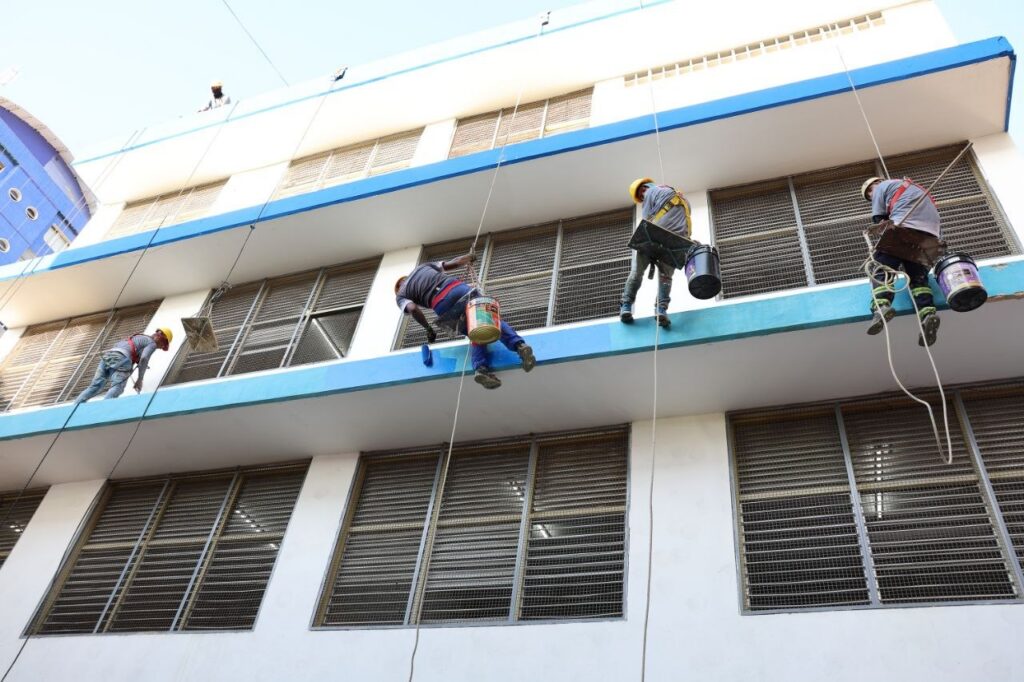
In the coastal state of La Guaira, one of the areas affected by the earthquakes, authorities reported completing rehabilitation work at 239 educational institutions.
“Starting Monday, we will have a total of 239 educational institutions in La Guaira rehabilitated and in extraordinary condition,” Gov. José Alejandro Terán said during an address broadcast by Venezolana de Televisión.
Rodríguez, meanwhile, called for continued attention to school safety and emotional support for students who experienced the earthquakes.
“This school year, creating an emotionally supportive atmosphere that meets children’s needs is especially important. A respectful and protective environment is key to a new beginning, given the circumstances our country experienced as a result of the two earthquakes on June 24,” he said.
The minister also said authorities should conduct infrastructure assessments periodically and added that officials “have progressively carried out the inspection process following the earthquake” in affected areas.
According to official figures, the two earthquakes caused minor, moderate, or severe damage to more than 1,000 schools.
Teachers’ assessment
While the government presents a message of normalization for the new school year, the Venezuelan Federation of Teachers offered a much more critical assessment.
In a Sept. 12 statement addressed to the public, teachers and Venezuelan families, the organization questioned Rodríguez’s call for families to “read a story to their children,” “hug them,” reduce cellphone use, and return to classrooms “with joy” under the promise of a “wonderful” school year.
The FVM argued that this message fails to reflect the difficulties that the education system faces.
“Reality is not a fairy tale about elves and fairies,” the union said, accusing the state of abandoning its responsibility to guarantee the right to education.
The organization argued that families do not need advice on how to show affection to their children but rather answers about conditions at educational facilities.
“Families need attention from the state,” it said.
According to the FVM, some schools have lost essential equipment and infrastructure, while the organization describes the education system as “in ruins.” Problems it cited include schools without drinking water, sanitation issues, power outages, and inadequate conditions for students and teachers.
The union also questioned the state of the School Feeding Program (PAE) and demanded permanent, comprehensive, and high-quality food services.
According to the organization, these conditions make it impossible to describe the new school year as “wonderful.”
Salaries and labor benefits
Teachers’ economic situation is the second major focus of the FVM’s criticism.
The organization challenged official statements about teachers’ income and argued that government bonuses differ fundamentally from the salaries workers receive.
“Mr. Minister, a bonus is not a salary,” the Federation said.
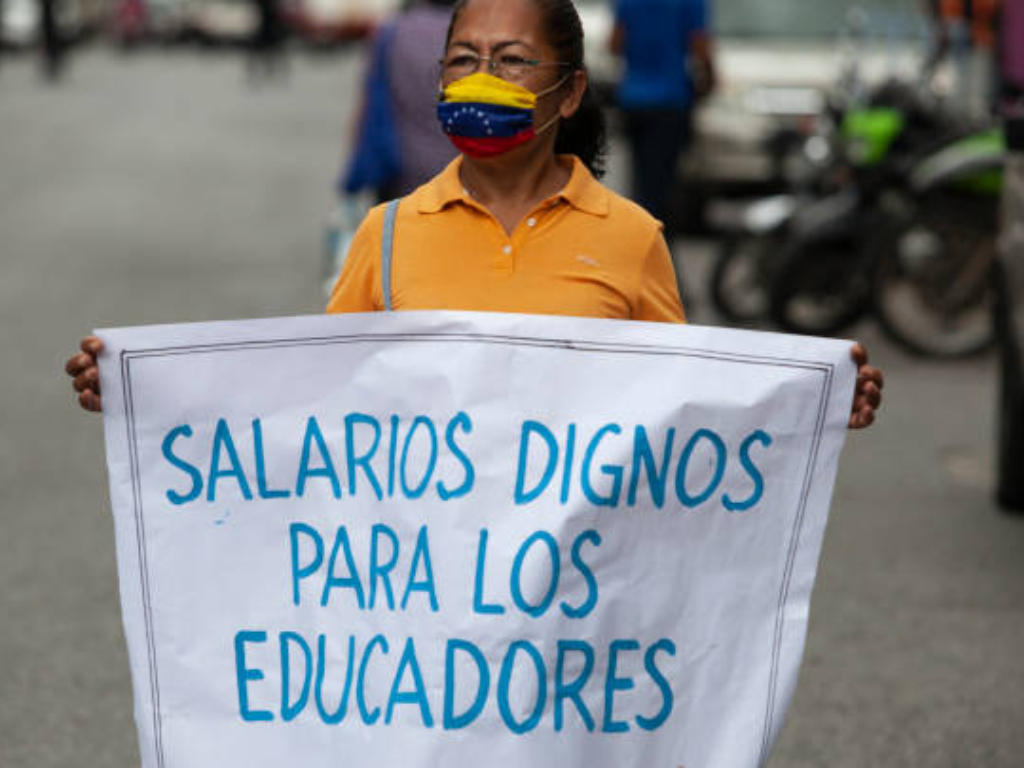
The union said teachers’ base salaries have fallen to levels that, according to its calculations, range from $0.30 to $1.50 per month.
The FVM questioned whether educators can “live, eat, buy clothes or travel to work” on those incomes, as it criticized teachers’ economic conditions.
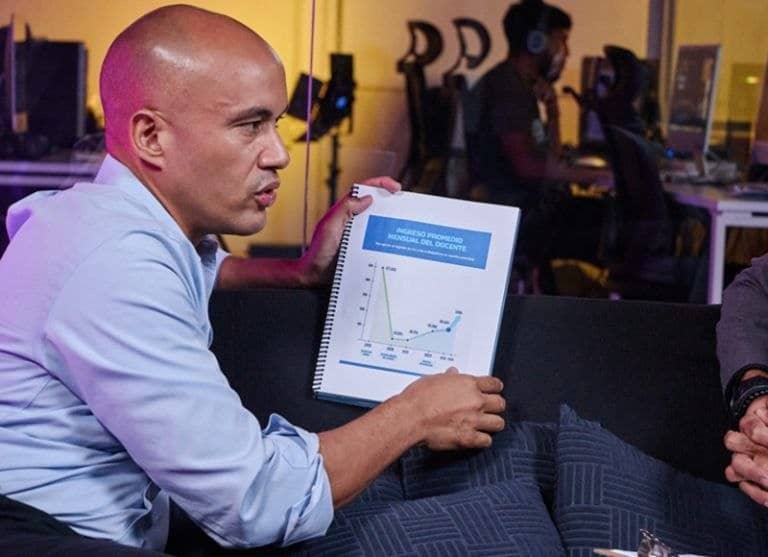
The organization also challenged the minister’s claim that teachers earn $506, arguing that the figure includes bonuses rather than base salary.
The Federation also raised concerns about unpaid salary obligations. It claims that the Education Ministry owes teachers salary increases equivalent to an estimated 280% dating back to 2018.
The union also denounced the loss of labor rights and benefits that teachers historically secured through collective bargaining agreements. According to its statement, authorities have “stripped away, eliminated and reduced” various bonuses and benefits.
The FVM also criticized the back-to-school bonus, which it set at 12.50 bolivars, describing the amount as further evidence of the situation teachers face.
Three demands to the government
Against this backdrop, the Venezuelan Federation of Teachers presented three demands to the Education Ministry.
First, the Federation called for immediate attention to school infrastructure, including proper equipment and repairs, as well as guarantees for water, electricity, and school meal services.
Second, it demanded a salary adjustment that allows teachers to live with dignity, along with payment of the debt that the organization estimates at 280% and the restoration of bonuses and labor benefits that it says authorities eliminated.
Third, the Federation called for the resumption of formal dialogue through negotiation tables with union representatives that the FVM considers legitimate, to find solutions to the labor and education crisis.
“Educational quality does not come from rhetoric or empty promises; it requires adequate budgets, functional schools and teachers who receive respect, training and fair pay,” the union said.
The organization insisted that the education system’s performance depends directly on the conditions of those who teach students.
“We need to address teachers’ needs because they are the ones who carry out the teaching and learning process,” the Federation said.
Finally, the FVM reiterated its call to continue protests over teachers’ demands and argued that the dispute extends beyond educators’ working conditions and directly affects students’ futures.