The Daily Journal.- The law leaves a grim record after nine years in force: at least 113 detentions and acts of harassment, according to data from Espacio Público. The president of the National Assembly, Jorge Rodríguez, hinted at the possibility of a reform, but national and international organizations are calling for its repeal.
Vanessa Davies
For Manuel Sánchez, the word “hate” is synonymous with a great injustice. Sánchez was detained in 2025 for making a livestream on social media in support of some neighbors, and was sentenced to 10 years in prison for alleged incitement to hatred, as reported by the organization Espacio Público. “Manuel is not a criminal; Manuel is innocent,” said his wife, Rosalba Pereira, desperate as time passes and nothing changes for him. The activist, who always “defended the rights of all Venezuelans,” as Pereira described him, is deteriorating in El Rodeo prison (Miranda).
The “hate law” has a longer official name: Constitutional Law Against Hatred, for Peaceful Coexistence and Tolerance. But its popular name reflects how little it has contributed to coexistence, and how much it has fueled disputes and resentment. Approved in 2017 by the constituent assembly, the 25-article law has been criticized for its broad discretion and repressive nature.
Article 20 of the law punishes with 10 to 20 years in prison anyone who “encourages, promotes, or incites hatred, discrimination, or violence.” Article 22 provides for the revocation of broadcasting licenses for radio or television service providers that disseminate messages “constituting propaganda in favor of war or advocacy of national, racial, religious, political, or any other form of hatred.” Currently, what is classified as a hate crime is not subject to a statute of limitations in Venezuela (Article 25), “as it constitutes serious human rights violations.”
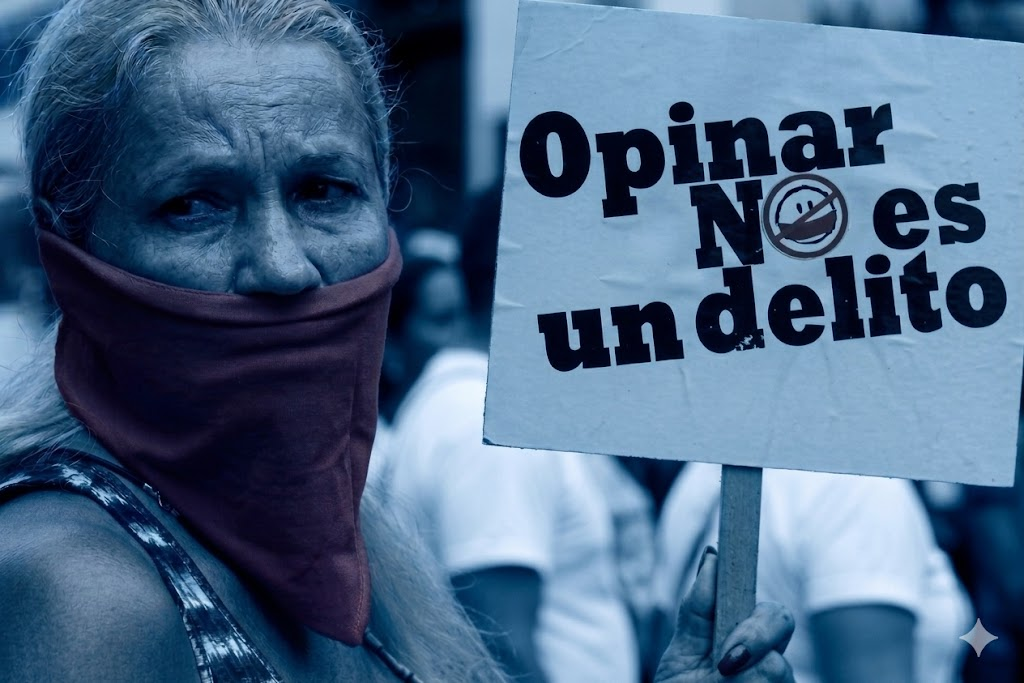
At least 113 detentions, acts of harassment, and threats were recorded between 2017 and 2025 under this legal framework, explained Marysabel Rodríguez, a researcher at Espacio Público. Around 14 arbitrary detentions reported in 2025 were justified on the grounds of alleged incitement to hatred. The law has spread fear and self-censorship, summarized Professor Carlos Correa, director of Espacio Público. So much so that WhatsApp groups have become sterile spaces where people are afraid to speak openly about politics or even complain about failures in public services.