The twin earthquakes that struck Venezuela left the iconic coastline of La Guaira isolated, with dozens of collapsed buildings and a community torn between extraordinary solidarity and the instinct to survive.
Investigative Team
The Daily Journal. — The Caribbean Sea still stretches peacefully along Venezuela’s coast, untouched by the violence that unfolded on land. Yet everything that surrounds it has changed.
After the devastating twin earthquakes measuring 7.2 and 7.5 struck north-central Venezuela, The Daily Journal investigative team traveled to the heart of the disaster between Catia La Mar and Playa Grande. What we found went far beyond structural destruction. We found the portrait of a society trying to find its way through the rubble, one uncertain step at a time.
The road from Catia La Mar to Playa Grande leads into complete digital silence. Every cellular network collapsed with the earthquakes, cutting thousands of people off from the rest of the country. Beyond the mountains, families struggle to count the dead. Here, people can only find one another by looking into each other’s eyes.
A maze of concrete and every person for themselves
Playa Grande presents a heartbreaking scene.
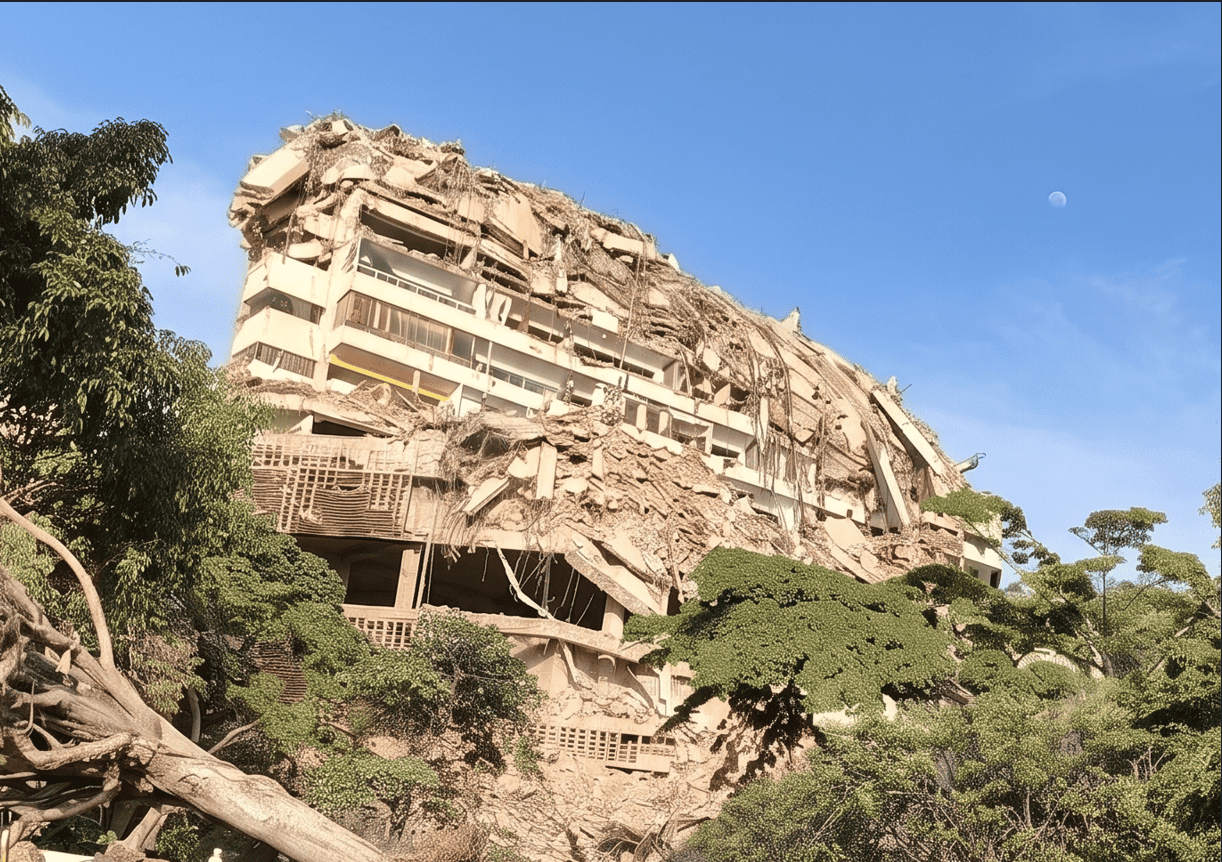
Rows of residential buildings that once symbolized life by the sea now stand mortally wounded. Many have collapsed entirely, leaving behind layers of crushed concrete. From beneath the debris comes an unmistakable and heartbreaking reality—the scent that tells families time is running out and loved ones still lie beneath thousands of tons of rubble.
The institutional response feels fragmented throughout this stretch of coastline.
Heavy machinery is working. Tractors, excavators, and dump trucks move concrete and clear the main roads. Their engines roar from dawn until dusk, yet no unified command directs the effort. Organization remains painfully scarce. Military personnel and security forces appear only sporadically across a landscape that seems to exist in a governmental vacuum. Firefighters continue working despite overwhelming conditions and painfully limited resources, refusing to abandon those still waiting beneath the debris.
As official control fades, ordinary people have taken responsibility for their own survival.
Neighbors climb unstable mountains of concrete that once held their homes. They risk collapsing debris and relentless aftershocks to recover family photographs, treasured belongings, or simply the last pieces of the lives they once knew.
Desperation, however, has also revealed its darkest side.
Fear of looting and isolated acts of vandalism have driven residents of buildings still standing to organize their own neighborhood watches. Men and women now guard entrances day and night, determined to protect what little remains.
Solidarity, chaos, and the tourism of tragedy
No stores remain open in Playa Grande.
The sound filling the streets does not come from buses or daily traffic. Thousands of motorcycles race in every direction, carrying two very different faces of humanity.
On one side stands an extraordinary wave of volunteers. Humble men and women carry water, food, medicine, and supplies. Others search desperately for relatives they have not heard from since the earthquakes struck.
On the other side unfolds the painful spectacle of tragedy tourism.
Amid dust, grief, and shattered lives, some visitors lift their cell phones to take selfies or record videos, eager to preserve someone else’s suffering for social media and the digital world.
La Guaira knows what it means to suffer at the hands of both nature and neglect.
Today, its people hold the coastline together through courage, determination, and solidarity.
Aftershocks continue to shake the ground. Under the Caribbean sun, the smell of death grows stronger with every passing hour. Playa Grande endures, hoping that meaningful help, coordinated leadership, and lasting support will arrive before the community’s strength finally reaches its limit.