The Daily Journal.— As the official death toll from the June 24 earthquakes rises above 1,900, with tens of thousands affected, a rescue operation that has lasted more than 48 hours now centers the nation’s hope on Hernán Gil, a 44-year-old security guard who has remained alive beneath the rubble for seven days.
Gil became trapped inside the security booth where he was working at Galerías Playa Grande Shopping Center in Catia La Mar when the two earthquakes, measuring 7.2 and 7.5, caused part of the structure to collapse.
Rescue teams are now carrying out a highly complex operation to bring him out alive.
The rescuers established contact with the security guard and have kept him alive by continuously supplying air, water, and other fluids through tubes and hoses threaded through narrow gaps in the rubble.
Even so, reaching him has become one of the most difficult rescue missions since the emergency began.
“We can see him. He’s inside what looks like a bubble, in a place that’s almost impossible to imagine,” one of the rescuers involved in the operation told local media.
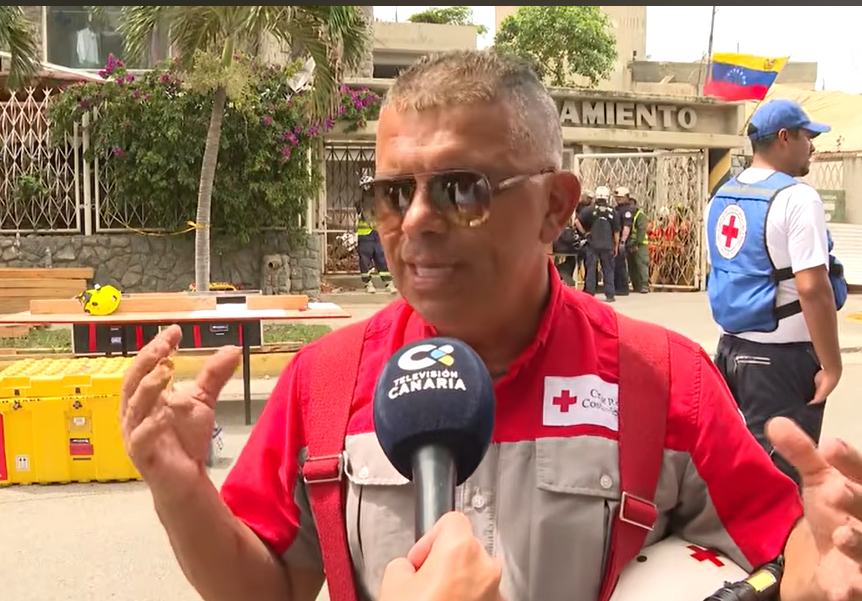
One of the specialized rescue teams has devoted more than 48 uninterrupted hours exclusively to this mission. The operation moves forward at an extremely slow pace because rescuers face the constant risk of another collapse.
According to specialists, Hernán survived because the security booth where he worked acted as a protective capsule when the building gave way.
That same structure now lies buried beneath more than 140 tons of concrete, columns, and floor slabs, making every movement an extremely high-risk maneuver.
“The columns and slabs keeping him trapped are very thick, and the area is packed with rubble and dust. If we don’t move slowly, the risk becomes too great,” one member of the rescue operation explained.
Engineers ruled out the use of heavy machinery during the initial structural assessments.
Instead, rescuers rely exclusively on chisels, hammers, hand tools, and precision equipment to prevent vibrations from triggering the building’s final collapse.
Another obstacle further complicates the operation. Sensors installed throughout the structure force crews to stop working immediately whenever they detect movement, vibrations, or aftershocks that continue to follow earthquakes.
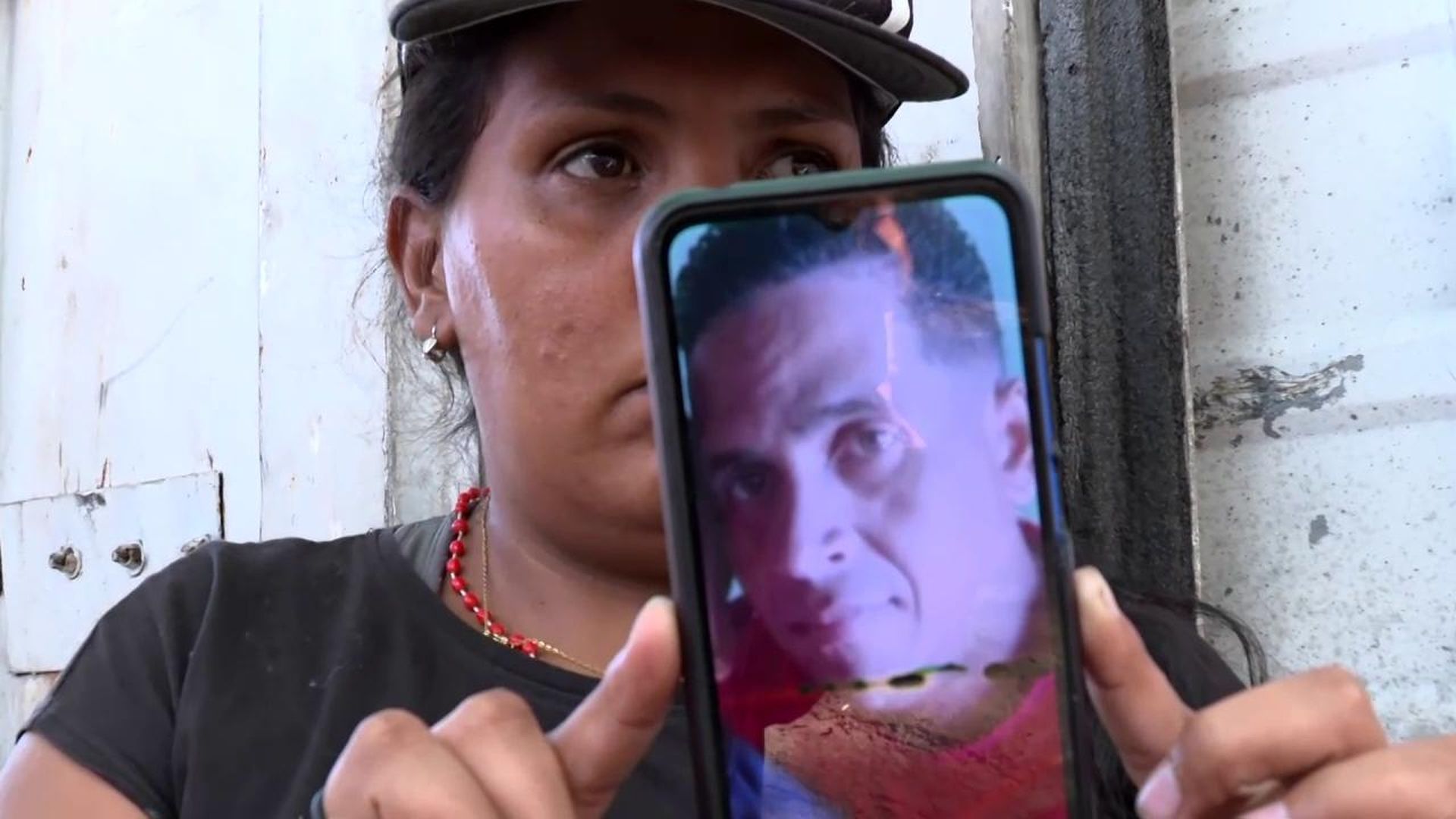
Just a few meters from the rescue site stands Gusbimar González, Hernán’s wife, who has remained there since Thursday, when her husband failed to return home after finishing his work shift.
“The only thing they tell me is that reaching him is very difficult and that they’re trying to remove the rubble with hand tools because they can’t bring in heavy machinery. The building is too badly damaged,” she told EFE.
Uncertainty has become routine, marked by waiting, regular updates from the rescue teams, and hope that the security guard may become one of the most extraordinary rescues since the tragedy began.
During Tuesday’s official briefing, authorities reported that rescue teams had saved more than 6,400 people alive since the emergency began and that search operations continue in different areas of La Guaira.
The last officially rescued survivor was a three-year-old boy whom rescuers found alive six days after the earthquake.
One week after the tragedy that plunged the nation into mourning, the rescue of Hernán Gil stands as one of the greatest sources of hope for the emergency crews and for a country that continues to wait for miracles beneath the rubble.