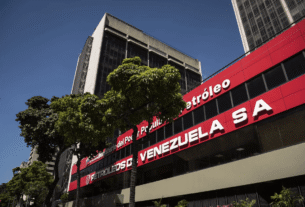
The Daily Journal — Major refineries and energy companies in the United States, Europe, and Asia are increasing their direct purchases of Venezuelan crude from Petróleos de Venezuela S.A. (PDVSA). According to a Reuters investigation, this strategy is beginning to reduce the role of the large trading houses that dominated the country’s oil exports during the first months of 2026.
Reuters reports that companies such as Phillips 66, Reliance Industries, Repsol, and ENI have started signing supply contracts directly with PDVSA, challenging the market position previously held by international trading firms Vitol and Trafigura.
According to Reuters, those two traders “currently control most of Venezuela’s oil exports” through agreements signed in January with the government of interim President Delcy Rodríguez. Washington oversees those agreements, which authorize the companies to market more than 100 million barrels over six months.
PDVSA shifts its commercial strategy
Sources cited by Reuters say PDVSA is gradually returning to the business model it used before the United States imposed energy sanctions in 2019.
“PDVSA is slowly returning to the business model it followed before the United States imposed energy sanctions on the OPEC member in 2019, prioritizing supply agreements with its joint-venture partners and refineries instead of intermediaries,” Reuters reported.
The sources added that this approach could allow the state-owned company to secure better prices through longer-term supply contracts.
Refineries resume direct purchases
Reuters reports that Phillips 66 resumed direct purchases of Venezuelan crude in May after a seven-year hiatus. In July alone, the company received allocations for three cargoes of Merey 16 heavy crude scheduled for loading at the José Terminal, Venezuela’s main oil export port.
India’s Reliance Industries also began purchasing crude directly from PDVSA in May, supplementing the volumes it had previously acquired through Vitol, Trafigura, and Chevron.
Meanwhile, U.S.-based Valero Energy and Thailand’s Tipco Asphalt are preparing to begin direct purchases in the coming months, although they had not yet received official cargo allocations by mid-July.
Reuters notes that these companies maintained supply agreements with PDVSA before the 2019 sanctions took effect. The Venezuelan oil company now aims to bring them back to diversify its markets and secure long-term contracts, particularly for its heavy crude grades.
Exports continue to grow
The Reuters investigation also points to a continued recovery in Venezuela’s oil production and exports.
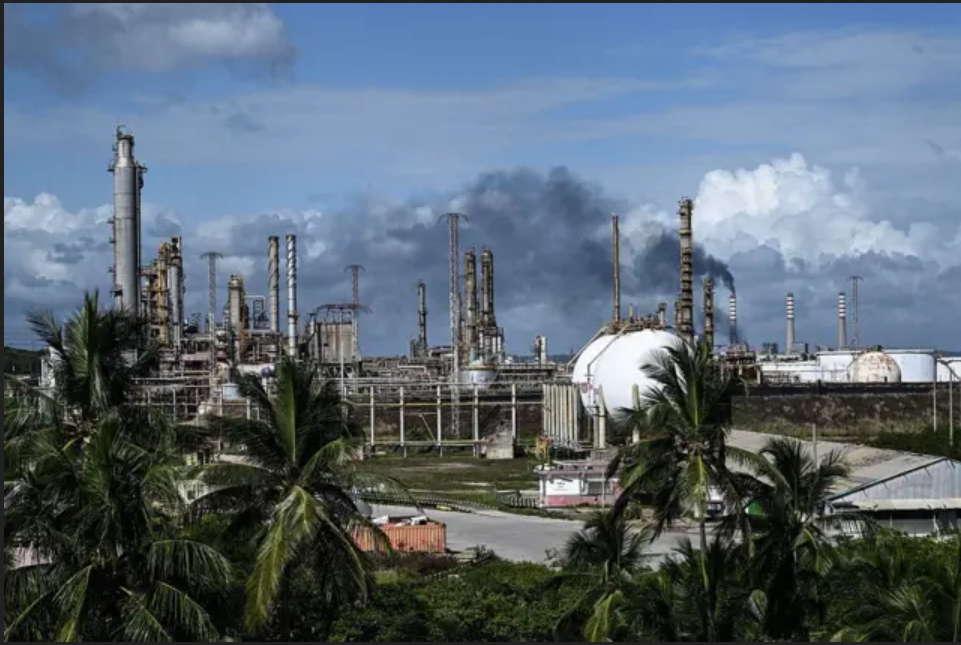
According to data cited by the news agency, Venezuela currently exports more than 1.2 million barrels per day of crude oil and refined products, up from an average of 847,000 barrels per day in 2025.
Reuters notes that exports declined slightly in June due to power outages and operational delays following the earthquakes that struck the country.
Chevron expands its role
Among the companies benefiting most from higher production is Chevron, which exported about 293,000 barrels per day of Venezuelan crude to its refineries and other destinations during the second quarter, compared with 223,000 barrels per day in the previous quarter.
Reuters describes that increase as “a concrete step toward its goal of expanding production and exports in Venezuela.”
Spain’s Repsol also began loading Merey 16 crude directly at the José Terminal in July, while Italy’s ENI received a cargo bound for Europe earlier this year. Both companies are using those shipments to offset outstanding debts owed by PDVSA.
Competition for Venezuelan oil intensifies
While oil companies continue expanding their operations, major trading firms have no intention of leaving the Venezuelan market.
Trafigura has already established a small permanent team in Caracas, and Vitol is preparing to hire about a dozen employees in the country to strengthen its local presence.
Official projections estimate that Venezuela’s oil production will reach 1.37 million barrels per day by the end of 2026, up from the current 1.2 million barrels per day.
If production reaches that target, Reuters concludes, the market will offer more Venezuelan crude and intensify competition among refineries, oil companies, and global trading firms seeking access to those supplies.