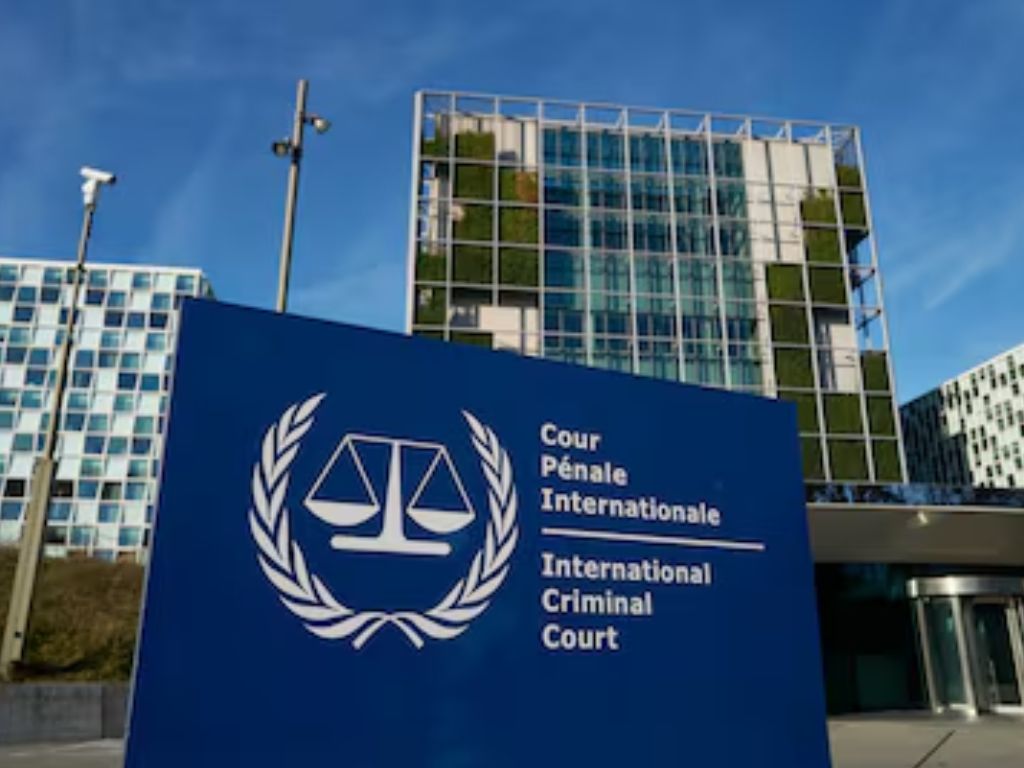
The Daily Journal — The International Criminal Court (ICC) expressed regret over the Venezuelan government’s decision to withdraw from the court as a State Party. The tribunal stressed that the withdrawal will not take effect immediately. Venezuela will remain under the Court’s jurisdiction for one year and must continue cooperating with ongoing proceedings and investigations.
Legal timeline and ongoing investigations
In a statement issued in The Hague, the ICC said it has not yet received the formal notification through the United Nations Treaty Office. Even so, the Court emphasized that every State has the sovereign right to withdraw from a treaty.
The tribunal also cited Article 127 of the Rome Statute, which states that a withdrawal becomes effective one year after a State deposits its notification with the United Nations. During that period, the Court will continue its ongoing investigations into alleged crimes against humanity in Venezuela.
The Venezuelan government’s position
The ICC issued its statement in response to the Venezuelan government’s announcement. Acting on instructions from Acting President Delcy Rodríguez, the Executive formally notified U.N. Secretary-General António Guterres of its “firm and irrevocable” decision to withdraw from the treaty.
Venezuelan authorities argued that the Court shows institutional bias. They claimed that the ICC directs a disproportionate share of its actions toward countries in Latin America and Africa.
Background of the Venezuela case
The ICC opened its investigation into Venezuela in 2018. In 2023, the Court rejected the Venezuelan government’s appeals to halt the proceedings and authorized the Office of the Prosecutor to continue the investigation.
Last December, the Office of the Prosecutor closed its technical office in Caracas after reporting a lack of progress on complementarity. Despite that decision, investigators continued their work from the Court’s headquarters in The Hague.
The announcement also came shortly after recent remarks by U.S. Secretary of State Marco Rubio, who promoted a diplomatic campaign against the ICC by challenging the Court’s authority over matters involving national sovereignty.
With information from EFE.