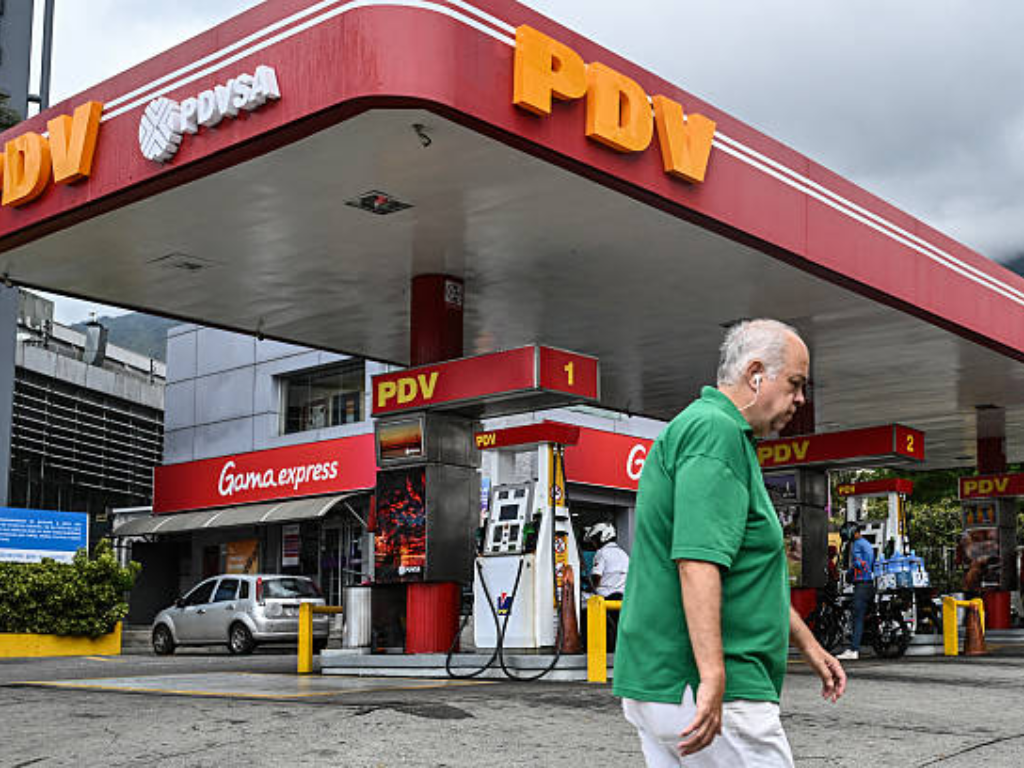
The Daily Journal.- Gasoline production in Venezuela has reached a strategic milestone of at least 100,000 barrels per day, according to recent data from the hydrocarbons sector. This figure marks significant progress for PDVSA and helps stabilize the country’s energy supply. According to sources at the Ministry of Hydrocarbons, this production level “makes it possible to continuously supply the domestic market at current consumption levels,” although output has yet to match the volumes recorded during periods of greater economic stability.
Breakdown of production and domestic supply
Most of this volume comes from the Paraguaná Refining Center (CRP), which comprises the Amuay and Cardón refineries and contributes 82,000 barrels per day. The Puerto La Cruz Refinery in Anzoátegui state adds about 20,000 barrels per day, while natural gasoline processed from natural gas at the José Antonio Anzoátegui Petrochemical and Oil Industrial Complex supplements the total.
Meanwhile, diesel production stands at 90,000 barrels per day, while methane gas for domestic consumption amounts to an estimated 25,000 barrels of oil equivalent per day.
Outlook and challenges for the domestic market
Future projections point to a gradual strengthening of the domestic fuel market. During an event in Houston, Pdvsa Vice President Jovanny Martínez said that “domestic fuel production has increased by 12.9% so far this year, allowing us to supply 5.4% more fuel to the domestic market.”
However, the executive warned about structural challenges, noting that the country faces “a deficit of 500 million cubic feet per day” of natural gas. Martínez stressed that, to ensure long-term sustainability, “the country must upgrade, modernize and expand its refineries.”
As OPEC closely monitors global energy market stability and production adjustments, Venezuela’s recovery of its refining capacity could emerge as a key factor.
This process seeks not only to guarantee energy sovereignty, but also to reduce dependence on imports and strengthen the domestic value chain. If Venezuela can close its gas deficit and optimize the Paraguaná Refining Center, the country could generate surpluses that help reactivate other productive sectors and support a broader, more sustainable economic recovery.
With information from Banca y Negocios and OPEC