Valeria Olivares
In current debates over economic reforms and the transformation commissions Venezuela requires, the cultural sector often takes a back seat. This omission occurs in a country where more than 400 theater institutions — including performance venues and independent companies — have disappeared since the ruling movement came to power, a decline compounded by the economic crisis, the lack of state funding and the persistent migration of talent.
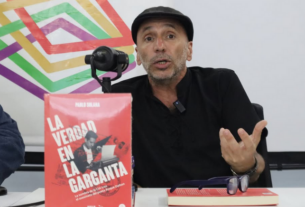
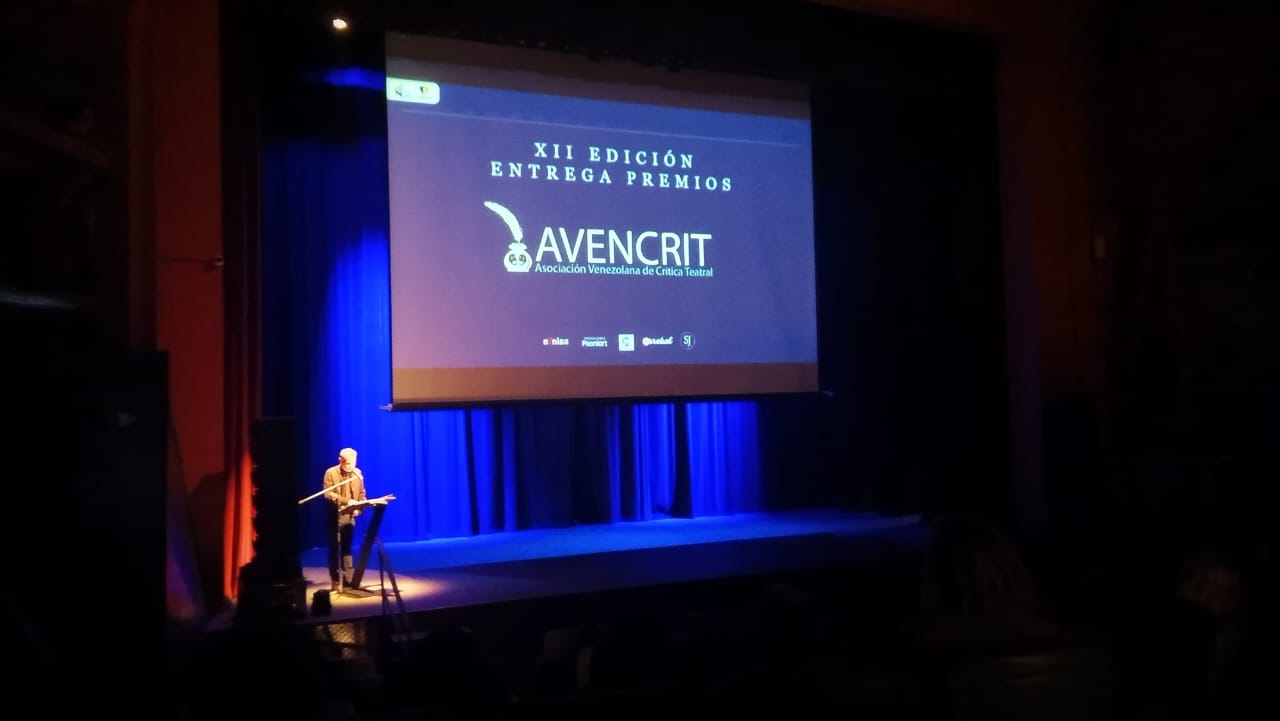
Against this backdrop, journalist, researcher and member of the Board of Directors of the Venezuelan Association of Theater Critics (Avencrit), Yoyiana Ahumada, questions the low priority given to the arts on the national agenda. Ahumada warns that culture is not a secondary or dispensable aspect, but rather a true representation of a society’s potential for development.
For the Avencrit board member, the performing arts play an essential therapeutic and community role in contexts of emergency or social catastrophe. “Any form of artistic expression gives you the possibility of stepping away from that state of alert, of emergency. Theater is that pause, that possibility of being face-to-face with another human being, without technological mediation, who will share their experience with you (…); it becomes an act of healing for the collective soul,” she says.
Ahumada underscores the historical value of drama in times of social crisis, recalling how other nations have turned to artistic expression to rebuild trust, dialogue and a sense of community during periods of severe adversity.
The economic barrier: inflation, dual exchange rates and lack of patronage
Staging a production in Venezuela means managing volatile budgets that include scenery, venue rentals, and cast fees. The country’s severe economic distortions—where costs projected at the beginning of rehearsals lose relevance by opening night—seriously constrain the viability of these projects.
Monetary instability comes alongside the lack of a legal framework that provides incentives for the private sector. “Venezuela does not have a patronage law, something that people have sought to establish over the years (…) it really is an uphill battle,” Ahumada explains.
This absence hinders the development of the orange economy, a model that already generates productive activity in other countries across the region.
For the researcher, a shift toward a sustainable landscape requires clear structural conditions: “The greater the democracy, the greater the expression and the greater the possibility for cultural diversity. So, for culture to have the important space it deserves in a modern society, there undoubtedly must be diversity, there must be economic freedoms, and there must be a patronage law.”
Strategic alliances and the musical theater phenomenon
Despite financial obstacles and the exodus of professionals, Venezuela’s theater scene continues to find avenues for development through independent initiatives and institutional partnerships. Ahumada highlights the resurgence of musical theater, driven by figures such as producer Claudia Salazar.
To sustain this range of offerings and attract audiences, the board member proposes exploring new formats without altering the core aesthetic vision. Among the alternatives, she highlights multidisciplinary experiences that incorporate culinary or cinematic elements into the theatrical space, as well as organic sponsorship partnerships with local products that complement each production coherently.
Alongside these strategies comes the urgent need to build audience loyalty by maintaining high-quality productions that encourage people to attend regularly. “We have to persist, to educate audiences in the best sense of the word, by inviting them not to abandon the theater, to continue supporting the performances,” Ahumada concludes, reaffirming culture’s central role in any national reconstruction project.