Chicken, egg, and legume prices, nutritionists’ advice, and practical tips to stretch the family food budget.
The Daily Journal — Nutrition and metabolism specialists recommend a diet rich in protein and fiber, with less sugar and refined flour, to maintain good health. However, eating a balanced diet in Venezuela amid inflation and low incomes means working miracles with limited resources.
According to the Documentation and Social Analysis Center of the Venezuelan Federation of Teachers (Cendas-FVM), a family of five needed $755.36 just to cover food expenses in August 2026. This figure represented a 12.5% increase in bolivars compared with the previous month and a 3.77% rise in dollars. To put this into perspective, the legal minimum wage does not cover even a fraction of the basic food basket. A family would need more than three monthly salaries, including government bonuses, to afford adequate nutrition.
At The Daily Journal, we examined prices at markets and supermarkets for the foods Venezuelans buy most often to understand how families manage daily meals in a country where eating well seems like a privilege. The good news is that we have compiled a list of suggestions to help families incorporate macronutrients into their meals in a balanced way.
What does eating a balanced diet mean?
A balanced diet provides the body with all the essential nutrients and energy it needs to function optimally while taking into account individual characteristics such as age, sex, and physical activity.
A balanced diet should include appropriate proportions of macronutrients:
- Carbohydrates: The body’s and brain’s main energy source, preferably from whole grains and fiber-rich foods.
- Proteins: Essential for building and repairing tissues, maintaining muscles, supporting the immune system, and producing hormones. They can come from animal or plant sources.
- Healthy, unsaturated fats: Necessary for vitamin absorption and proper cellular function.
The diet must also provide micronutrients, including vitamins and minerals, which regulate bodily processes and strengthen the immune system.
Of course, proper hydration is equally important. Drinking enough water every day helps the body stay properly hydrated.
With these principles in mind, we can move on to the next challenge.
The Venezuelan plate: Filling but high-calorie meals
Health, food, and nutrition experts warn that declining purchasing power, disruptions to public services, and limited education about healthy nutrition are significantly affecting Venezuelans’ lives.
The figures confirm this trend. According to experts, annual per capita meat consumption has dropped from 23 kilograms to 12 kilograms. Animal protein has become unaffordable for many households, pushing families to cheaper alternatives.
Marianela Herrera, a member of the Venezuelan Health Observatory and a leader of the Bengoa Foundation, told Unión Radio that Venezuelans prioritize “filling, inexpensive, high-calorie foods.”
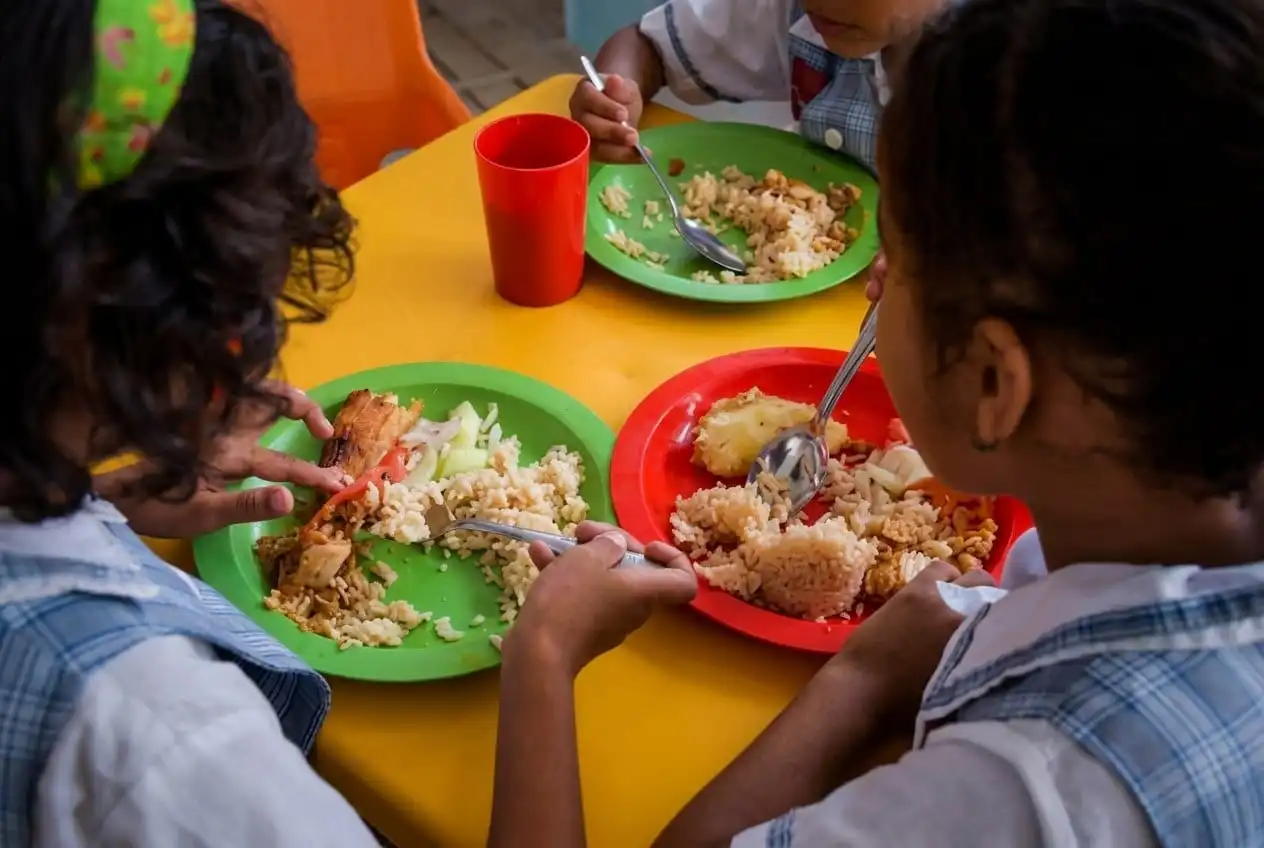
In other words, families are consuming more flour-based products, pasta, rice, bread, and legumes such as black beans and other varieties. Chicken and eggs have also become staples of the daily diet, along with more nutritious alternatives such as fresh sardines.
However, many families still lack the income necessary to maintain a balanced diet. When they cannot afford enough protein, they often replace it with larger portions of white rice, arepas, or pasta, foods whose carbohydrates the body converts into glucose.
Protein prices and affordable nutritious alternatives
At butcher shops, cut-up chicken costs approximately $3.69 per kilogram, while a carton of 30 eggs ranges from $6 to $9.30. Beef prices start at $9 per kilogram and can exceed $15 at some stores. Pork generally costs between $7 and $12 per kilogram.
Legumes such as black beans, lentils, and split peas provide protein, although they also contain carbohydrates. Shoppers can find these products at markets for as little as $1 per half-kilogram.
Starchy foods such as potatoes, cassava, sweet potatoes, plantains, taro, and arracacha have become staples of family meals. Prices vary by market, and these foods provide carbohydrates and fiber, helping households work toward a more balanced diet.
Fresh sardines offer an affordable, nutritious, and flavorful solution. Prices range from $2 to $3, depending on the market and whether vendors sell them whole (requiring cleaning at home) or as fillets.
Sardines provide approximately 18 to 24.6 grams of high-quality protein, contributing to a daily protein intake target of 75 grams per person.
Similarly, traditional casabe, a crispy flatbread made from cassava, offers a nutritious source of carbohydrates and fiber. A package can cost as little as $2.
A nutritionist’s formula: How to eat well without overspending
Nutritionist Karla Medina shared an affordable approach that helps families protect their budgets without sacrificing essential nutrients.
She recommends eggs and legumes combined with rice, which provide both carbohydrates and protein. Families can vary their meals with precooked cornmeal, plantains, sweet potatoes, potatoes, cassava, and taro.
Medina also suggested an ideal breakfast for adults: a grilled arepa, avocado, scrambled eggs with tomatoes and onions, a banana, and preferably a cup of coffee without sugar.
For older adults, she recommends boiled plantains, avocado, ground beef, white cheese, and papaya.
Dr. Rosisella Puglisi offers another important recommendation: children and adolescents should eat two breakfasts. The first should take place between 6 and 8 a.m., followed by a second around 10 a.m.
Both meals should include proteins such as shredded chicken, eggs, tuna, or cheese, along with carbohydrates such as arepas, small cornmeal dumplings (bollitos), baked empanadas, or cassava balls.
A simple method for building a balanced plate
Some experts recommend dividing the plate into specific macronutrient proportions to achieve a balanced diet.
Suggested proportions for a balanced plate
- 50% of the plate: Vegetables, leafy greens, and fruits.
- 25% of the plate: Protein sources such as chicken, sardines, eggs, legumes, or combinations that meet this proportion.
- 25% of the plate: Complex or whole-grain carbohydrates such as rice, quinoa, oats, pasta, sweet potatoes, taro, plantains, and yams.
When affordable, families can also add small portions of healthy fats, including extra virgin olive oil, avocado, or cheese, to complement their meals.
How Venezuelan families stretch their food budgets
Several practical strategies can help families save money on groceries.
- Shop at Campo Soberano food fairs and municipal markets. These outlets often offer lower prices because they eliminate intermediaries.
- Buy seasonal fruits and vegetables. They usually cost less and provide valuable nutrients.
- Look for end-of-day market discounts. Vendors often lower prices on leftover produce before closing. Shoppers may find fruits and vegetables at half their morning prices.
- Replace expensive beef with eggs or fresh sardines. Black beans and lentils also provide plant-based protein at a fraction of the cost.
- Buy whole chickens and use every part when preparing meals at home.
- Cook at home whenever possible. Enjoy an occasional meal out while staying within your budget and maintaining a balanced diet.
- Make the most of arepas. The Food and Agriculture Organization of the United Nations (FAO) describes them as “an excellent ally in promoting healthy diets” because of their affordability, versatility, and nutritional value. An arepa with cheese or black beans can provide a satisfying meal for just a few dollars.
- Buy yogurt in larger containers or make it at home to obtain an affordable source of protein.
Eating a balanced diet in Venezuela is no easy task when the basic food basket costs more than $755, and household income quickly disappears under the weight of everyday expenses.
However, creativity can turn everyday cooking into an opportunity to make the most of available resources. The key is to substitute, plan, and make every ingredient count.
How do you manage to feed your family during these challenging times? Do you have any tips for stretching your grocery budget? Share your experiences in the comments.