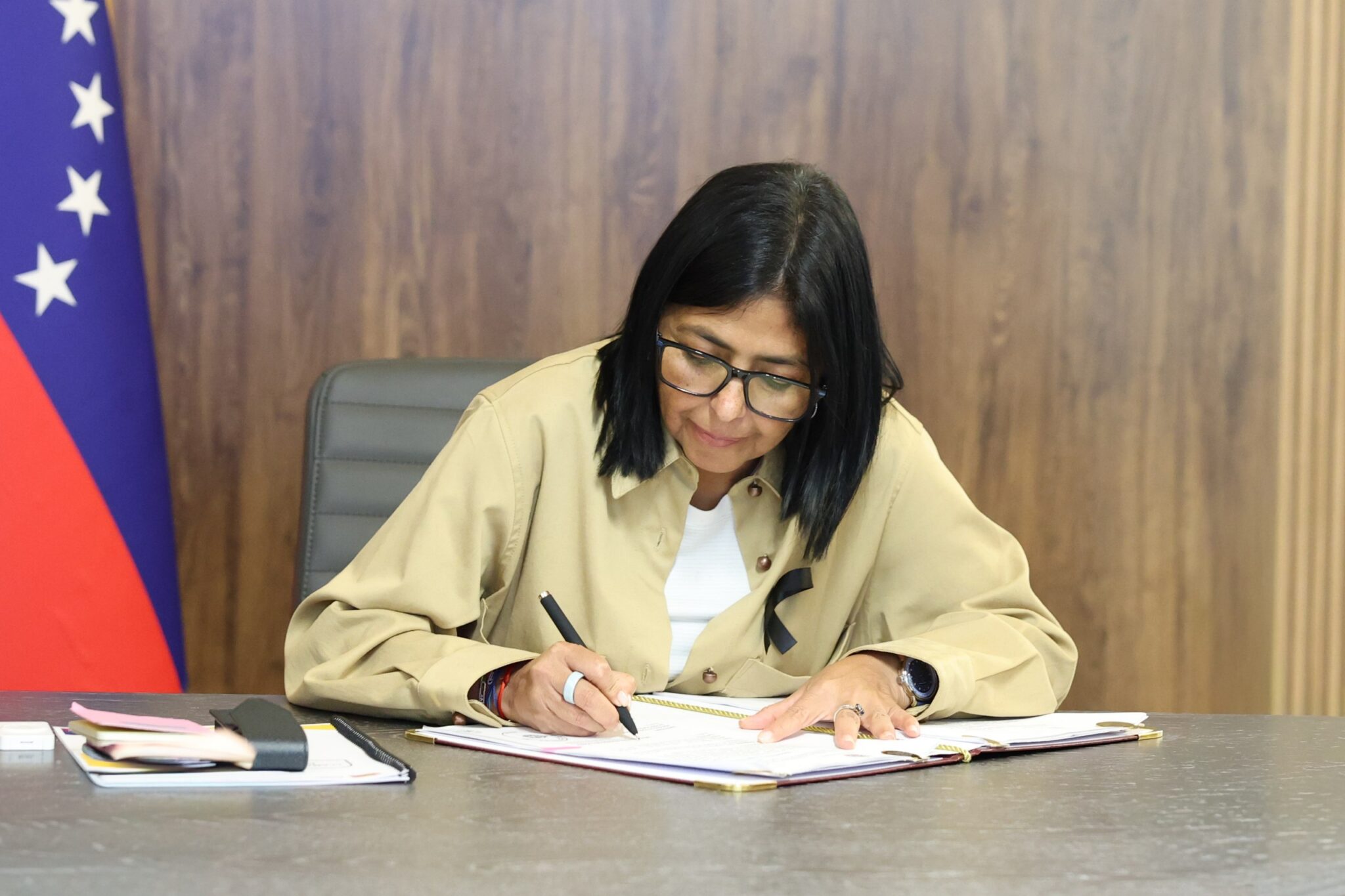
The Daily Journal — Venezuela’s acting president, Delcy Rodríguez, signed the Regulations to the Organic Hydrocarbons Law on Wednesday, completing the legal reform launched earlier this year. The new rules could clear the way for agreements that Petróleos de Venezuela S.A. (Pdvsa) reached in recent months with oil companies, commodity traders, and oilfield service providers seeking to return to Venezuela or expand their operations.
The regulations follow months of negotiations that began after Nicolás Maduro’s capture in January. During that period, the Venezuelan government, at the request of the administration of Donald Trump, signed memorandums of understanding, framework agreements, and technical cooperation arrangements with Repsol, Chevron, SLB, Shell, BP, Eni, Maurel & Prom, as well as commodity traders Vitol and Trafigura. Most of those agreements, however, remained on hold until authorities established a regulatory framework outlining implementation procedures.
“After 83 years, we have signed the Regulations to the Organic Hydrocarbons Law,” Rodríguez announced during a televised address on the state-owned network VTV.
Rodríguez explained that officials reviewed 1,389 resolutions issued over more than eight decades before drafting the new regulations. She said the rules align the sector with the legal framework established by the amended Organic Hydrocarbons Law.
“These regulations align with the new Organic Hydrocarbons Law and will help transform Venezuela’s reserves into national development. Venezuela, an energy powerhouse, is our goal,” she said.
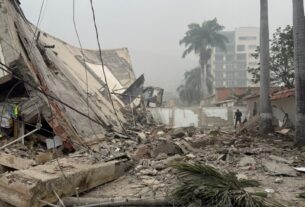
Rodríguez also linked the development of the energy sector to the country’s reconstruction following the June 24 earthquakes.
“These resources will also support Venezuela’s recovery and reconstruction after the double earthquake of June 24. Despite the challenges, our people will rise, and Venezuela will emerge stronger through national unity,” she said.
Hydrocarbons Minister Paula Henao said officials drafted the regulations after consulting stakeholders across the industry to address the sector’s concerns.
“We worked with every productive sector connected to the hydrocarbons industry to address their concerns and produce regulations that organize, implement, and ensure the proper application of the law,” Henao said.
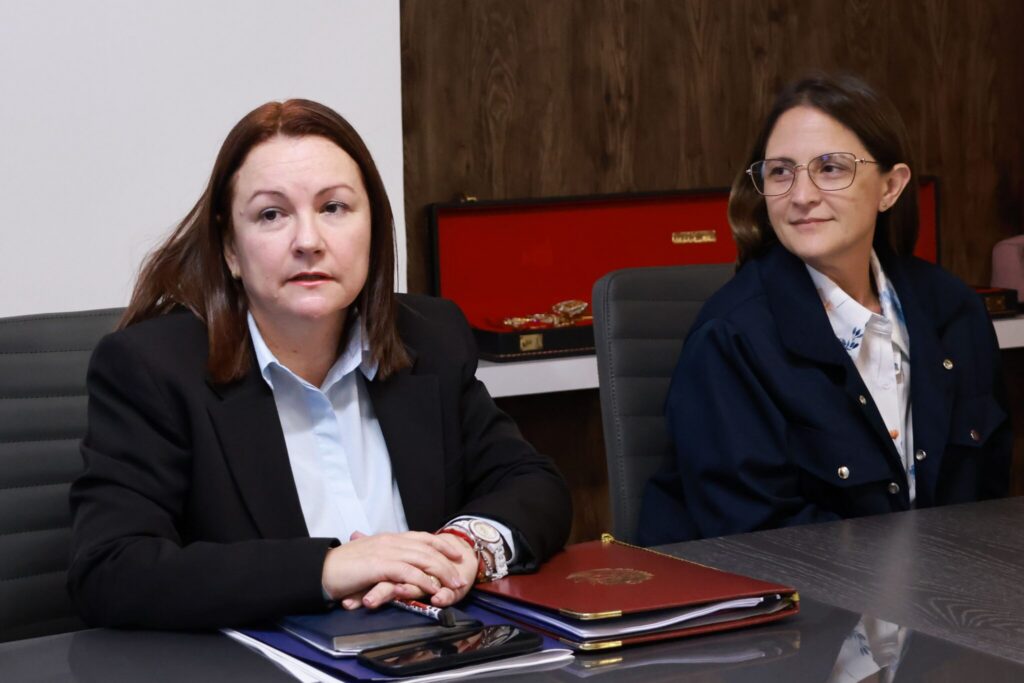
According to Henao, the regulations govern the entire hydrocarbon value chain, from exploration and production to commercialization.
“We cover the entire hydrocarbons value chain, from upstream operations to commercialization. The regulations also establish the foundation for maximizing recovery from all of Venezuela’s reserves,” she added.
Caution across the oil industry
In mid-May, Pdvsa circulated a model contract among international companies to convert preliminary agreements into operating contracts. According to a draft obtained by Bloomberg, the document outlined the terms under which companies could participate in well reactivation, new drilling projects, and crude marketing.
Industry participants have focused particular attention on provisions covering international arbitration, the government’s authority to modify fiscal terms or terminate contracts in the public interest, and references to international sanctions. The regulations approved Wednesday will determine how authorities enforce those provisions and how much flexibility future negotiations with investors will allow.
Turning agreements into investment
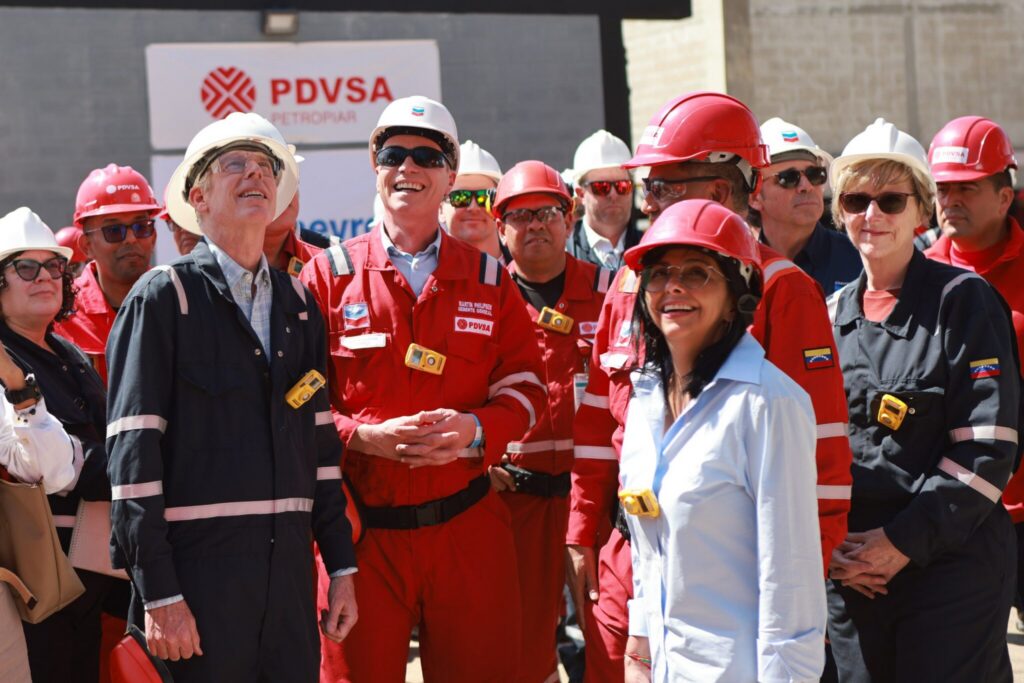
Since the beginning of the year, the Venezuelan government has pursued a strategy to revive the oil industry through legal reforms and agreements with international energy companies. In March, it signed a strategic agreement with Eni to resume crude production. In June, Pdvsa signed a memorandum of understanding with SLB (formerly Schlumberger) covering technological cooperation in exploration, drilling, and enhanced oil recovery. Days later, it reached another memorandum with Repsol to evaluate development of the Horcón Block in Lake Maracaibo.
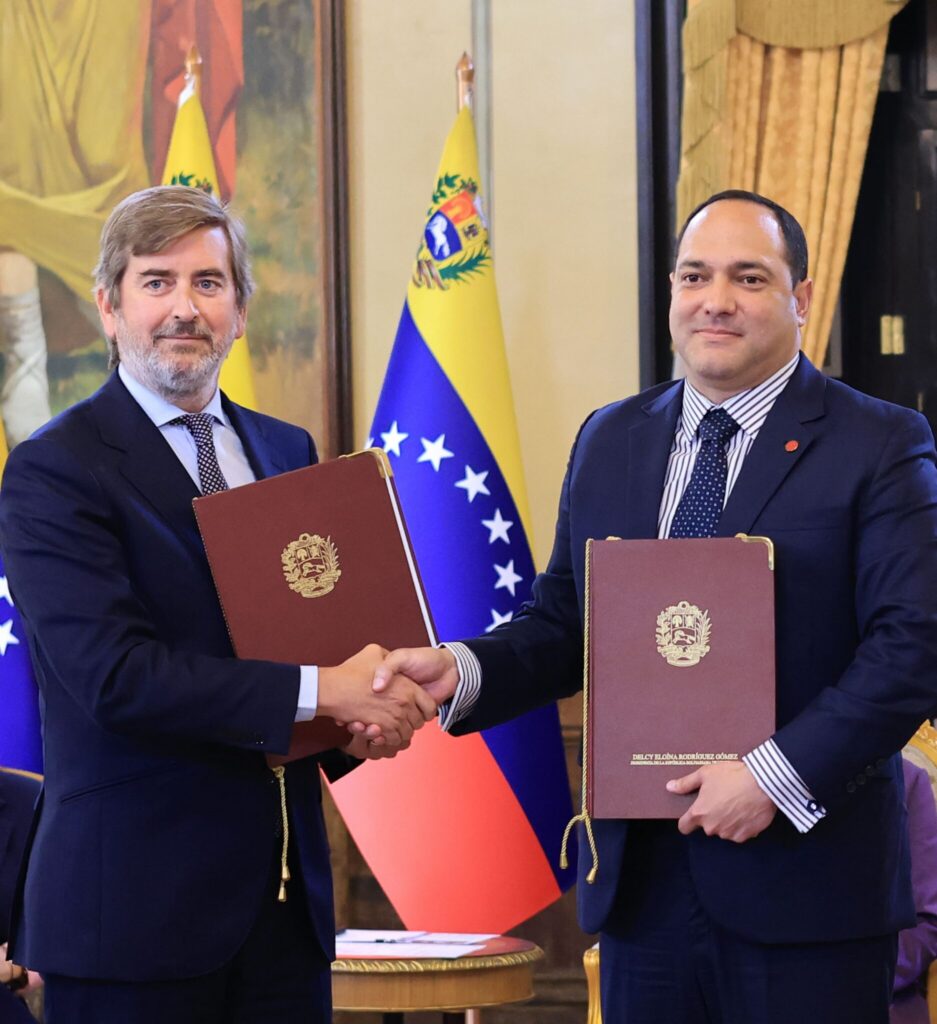
At the same time, negotiations have continued with Chevron to expand production at its joint ventures; with Eni, Shell, and BP to accelerate natural gas projects; with Maurel & Prom to restart operations in western Venezuela; and with commodity traders Vitol and Trafigura to facilitate diluent supplies and expand the marketing of Venezuelan crude in international markets.
Until now, many of these initiatives remained at the memorandum of understanding, letter of intent, or technical working group stage. The publication of the full regulations will clarify the true scope of the transition and reveal whether the new framework meets the expectations of international companies interested in participating in Venezuela’s renewed energy-sector opening.