EFE — The U.S. Department of the Treasury announced on Monday a temporary easing of certain financial oversight measures to allow U.S. institutions to facilitate authorized transactions related to Venezuela’s economic recovery and humanitarian assistance following the country’s recent earthquakes.
Under the measure, the Treasury said the Financial Crimes Enforcement Network (FinCEN) will not take enforcement action against financial institutions that provide authorized services in sanctioned Venezuela between July 27, 2026, and January 29, 2027.
The decision aims to help U.S. banks and other financial institutions process transactions tied to humanitarian assistance, reconstruction, and Venezuela’s economic recovery after the earthquakes. The policy also reduces the risk of regulatory penalties stemming from compliance challenges during authorized transactions.
The Treasury stated that financial institutions must continue to maintain their anti-money laundering compliance programs and comply with sanctions enforced by the Office of Foreign Assets Control (OFAC).
According to the statement, the protection does not apply to intentional or willful violations of U.S. financial regulations.
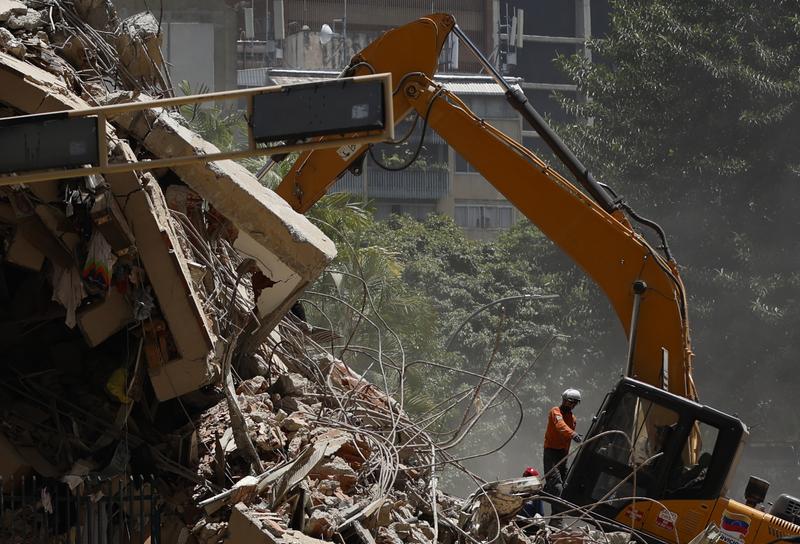
According to a World Bank report released last Thursday, the earthquakes that struck Venezuela on June 24 caused an estimated $19.6 billion in damage and could slow the country’s economic recovery for a decade.
The June 24 earthquakes, which registered magnitudes of 7.2 and 7.5, struck just 39 seconds apart and rank among the most devastating natural disasters in Venezuela’s recent history.
The United States began imposing targeted sanctions on Venezuelan officials in 2015 during the administration of Barack Obama. It later expanded economic measures against Nicolás Maduro’s government beginning in 2017.
In 2019, the United States strengthened the sanctions regime by imposing broader restrictions on Venezuela’s economy, including the state-owned oil company Petróleos de Venezuela (PDVSA).
Since then, the U.S. Treasury has issued specific licenses and exceptions to allow certain transactions, including some involving the oil sector, particularly after the political changes that followed the U.S. capture of Nicolás Maduro on January 3.