Óscar Reyes Matute
There was no need to reinvent anything. The veteran Academy Awards writers had already invented it all: the jokes, the way the awards are presented, the gags between actors and presenters. It is a ceremony that still draws hundreds of millions of viewers, from what remains of traditional cable television to the ever-growing world of streaming.
Near the end comes the most moving ritual of all: the In Memoriam tribute.
Against a mournful score, the screen fills with the faces of actors, producers, technicians, and fellow filmmakers who have gone before us on the descent toward “the final shadow” (to borrow Borges’ words).
Akira Kurosawa, Robert Redford, Stanley Kubrick, the great Diane Keaton…
Hearts tighten. Handkerchiefs appear. Tears—real ones, not the kind actors perform—flow freely throughout the Kodak Theatre in Los Angeles.
“Why don’t we do this here?” I asked myself.
“And why am I asking such stupid questions instead of simply doing it?” I replied.
So we did.
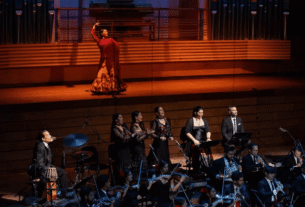
Together with my friends from the Aragua Film Network, we chose January 28, Venezuela’s National Cinema Day. The Opera Theater in Maracay hosted the first In Memoriam tribute—and it continues to do so every year as we commemorate our national cinema. That was five years ago. Easy enough to say.
With the support of Carlos Azpúrua at the National Autonomous Center of Cinematography (CNAC), we also screened the tribute during the National Cinema Day celebration in Caracas at the Rómulo Gallegos Center for Latin American Studies (Celarg).
The idea spread almost by contagion. Thanks to the support of Caupolicán Ovalles, Sergio Curiel, and Danielita Alvarado, we have also included it in the last two editions of the Venezuelan Film Academy Awards.
Every year I have to gather the names.
It is not a pleasant task.
Every time I add a filmmaker’s photograph and name to the tribute, I fall silent, thinking about how fleeting our hours in this world truly are.
I have had to include some of my closest friends and companions.
My playwriting teacher, Ibrahim Guerra.
My older brother in every sense, the playwright from Maracay with whom I shared so many years, Rubén Darío Gil.
Emil Zabala, my younger brother and creative partner, without whom Santiaguao would never have existed, and the husband of my lifelong producer, Yomaira Molina Landaeta.
I have also honored the names of figures more familiar to many readers: Román Chalbaud, César Bolívar, Asdrúbal Meléndez, Hilda Vera, and Margot Benacerraf (of blessed memory).
Whenever word gets around that I am putting together the “casting” for this project, plenty of pranksters from the Venezuelan film community cross themselves when they see me.
“Hell no! I don’t want to show up in one of Matute’s videos just yet.”
But every one of us will appear there someday, whether I make those tributes or those who come after me continue the tradition. Cinema, like Venezuela itself, will survive and shine. Bet on that—with your thoughts, your words, and your actions.
Among those who have left us and whom we will remember with affection in the 2027 tribute are actress Gabriela Fleritt, producer Ifigenia Rivas from La Guaira, actor Gonzalo Velutini, actor Julio Jung (Rumildo), and, only a few days ago, actor, director, and playwright Rober Calzadilla (1975–2026), who left us far too young.
He was recovering in Las Palmas, Gran Canaria, from lung cancer diagnosed in 2019.
Perhaps he was remembering his hometown of Maturín while walking along the island’s Atlantic beaches. Perhaps he thought of his years at the Juana Sujo School of Dramatic Arts, or those luminous sunsets while wandering the hallways of the UCV School of Arts.
Did he wonder how many more screenplays he might have written, how many more films he might have directed if life had granted him more time?
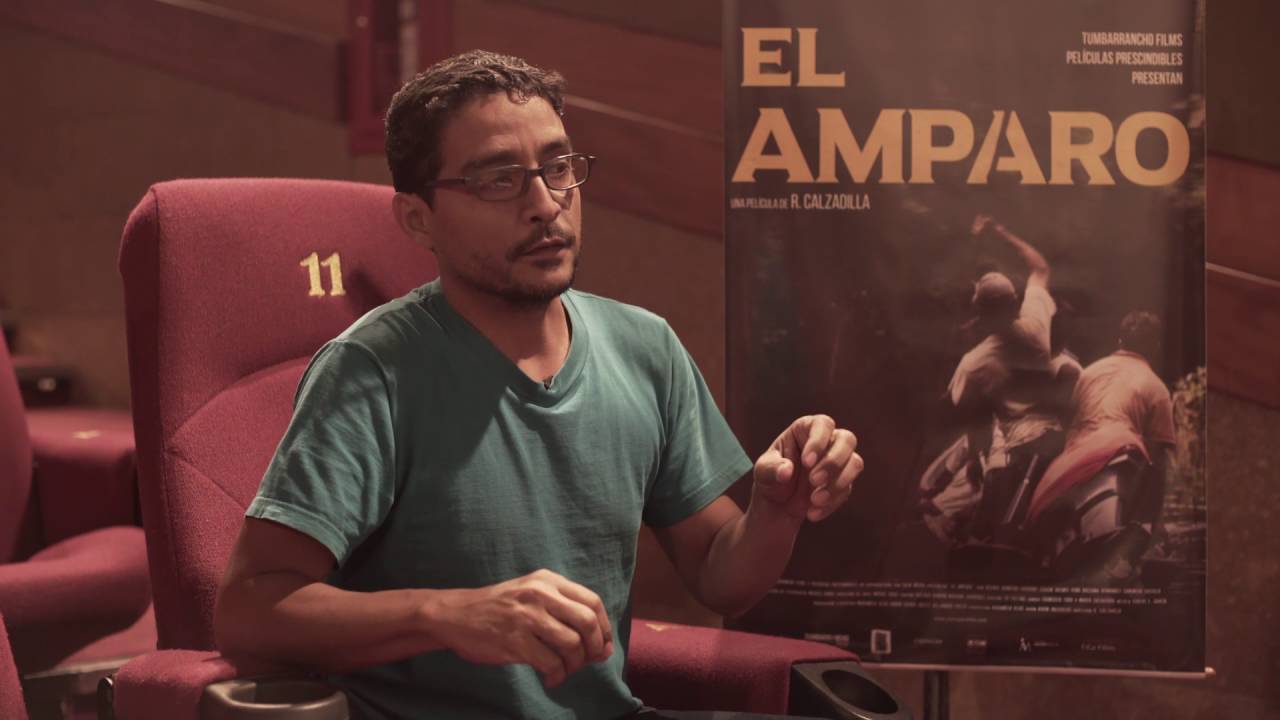
Perhaps the successors to Massacre of El Amparo: 20 Years of Impunity (2009), The Country of April (2013), and El Amparo (2016).
At least he lived long enough to savor the 24 awards El Amparo won, even if some Chavista purists criticized its interpretation of the historical events.
That is their concern.
In these lines, I simply remember a filmmaker I never had the chance to meet in person, but whose work I deeply respect.
Truth be told, there are plenty of Venezuelan filmmakers I have never met personally. I am not famous. At this stage of my life, I proudly belong to what people at the Central University of Venezuela once called “The Movement of the Undiscovered.”
While reviewing the information on Wikipedia, I came across a sentence from the generous editor who wrote the article:
“Rober’s lens refused to portray ‘victims’ as abstract figures. Instead, it restored their humanity, their Llanero sense of humor, and their right to the truth.”
I’ll hold on to those words as I inaugurate Cine Quam Non in the generous pages of The Daily Journal.
I only hope that one day, when my own turn comes to appear in an In Memoriam tribute, people will remember me with affection.
Nothing more could I ask.