By José Gregorio Yépez
A new round of talks between the opposition and the government is about to begin. What can we expect?
Judging by what Dinorah Figuera said over the weekend, this new dialogue seemed to begin with a phone call. Yet Jorge Rodríguez’s August 1 statement made one thing unmistakably clear: the talks would begin this week.
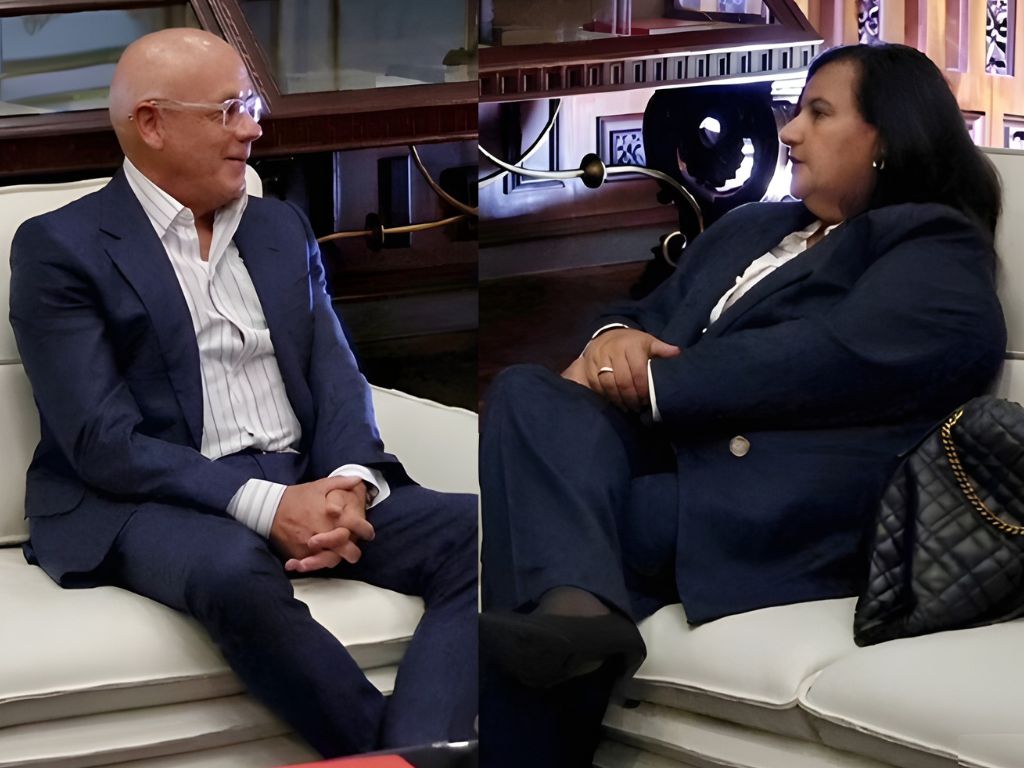
What we do know is that representatives of the 2015 National Assembly arrived in eastern Venezuela on August 5, and they are expected to meet today, August 6, to launch this new round of negotiations, with the United States serving as both facilitator and one of the principal players.
The overall picture suggests that the people sitting at the table matter—but some key participants are still missing.
Will it work?
This new dialogue begins under a cloud of doubt for some, measured optimism for others, and preemptive disappointment among those who see little chance of success.
Henrique Capriles argued that any negotiation that excludes María Corina Machado’s political sector—and everything she represents—is doomed to fail.
Some grassroots supporters of Chavismo, along with members of the ruling party’s leadership, believe the presence of the United States resolves that contradiction.
Despite Capriles’ skepticism, Ángel Medina, a political scientist and fellow member of Unión y Cambio, welcomed the initiative and argued that any opportunity for negotiation deserves support.
He nevertheless warned that a limited agenda fails to address the everyday problems people actually face.
In his view, the central question is not what the dialogue lacks, but what results it ultimately delivers.
Meanwhile, Diosdado Cabello, speaking on his television program Con el mazo dando, welcomed the arrival of opposition representatives.
“Some representatives of the opposition involved in the dialogue have arrived in Venezuela… Welcome, as long as they come to contribute within the framework of the Constitution.”
He framed the talks under the slogan “Dialogue for the homeland and for peace,” bringing the rhetoric of one of the government’s most influential figures into the negotiating arena.
The agenda
Both sides have described the agenda as brief and limited: assistance for the victims of the twin earthquakes, strengthening democracy, and political rights and guarantees.
Yet beyond the absence of key participants, important issues also remain absent.
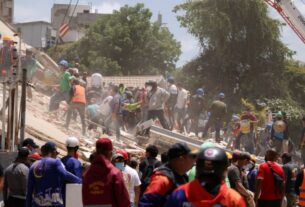
The country continues to grapple with the aftermath of the San Juan earthquakes, and that tragedy weighs heavily on the political climate. Those in power have not overlooked that reality.
According to Stalin González of Un Nuevo Tiempo, the current political moment extends well beyond the U.S.-backed initiative. In his words, “a much larger negotiation is taking place outside that table.”
Looking at the agenda itself, he argues that it falls short because “we need to build a solid agenda that includes people’s concerns. We cannot focus only on politics.”
Political analyst and journalist Vladimir Villegas also cautioned against expecting the talks to produce immediate solutions to everyday issues such as wages and social benefits.
In the end, one conclusion seems unavoidable: expectations should remain modest to avoid disappointment, especially among opposition supporters and those hoping for a fast-track political transition.
The signals emerging from today’s political landscape suggest that the United States—the actor setting the pace and the rules of this dialogue—is in no hurry.
Its approach recalls Jack the Ripper’s famous phrase:
“Let’s do it one step at a time.”
The stage is now set. We have no crystal ball to reveal what comes next. We simply keep our feet firmly on the ground, watching Venezuela’s political, economic, and social reality unfold.
The game goes on.