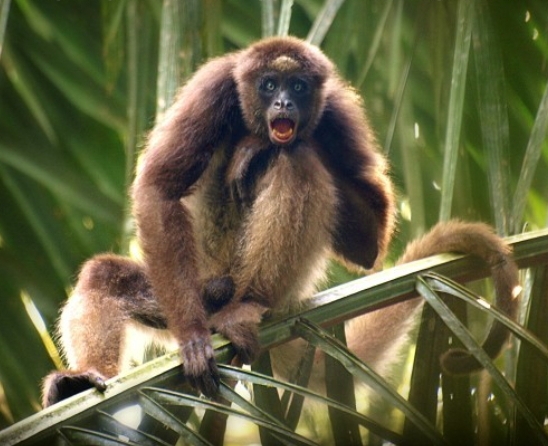
The Daily Journal.- In the last remnants of seasonal forest still standing in Venezuela’s western plains, a unique species is racing against time and extinction. The brown spider monkey, scientifically known as Ateles hybridus, is a Neotropical primate with long limbs and a prehensile tail that has alarmingly earned a place among the world’s 25 most endangered primates. As deforestation and irresponsible agricultural expansion rapidly destroy its habitat, a scientific and community-based initiative has become its last line of defense: the Spider Monkey Project (Project Ateles).
The last refuge in the heart of Barinas
The epicenter of this environmental crusade lies in the Caparo Forest Reserve in Barinas state. More specifically, conservation efforts focus on approximately 7,000 hectares of continuous forest and isolated fragments protected by the Experimental Station of the University of the Andes (ULA). This area represents the last functional block of the region’s former Colombian-Venezuelan Trade Wind Forests.
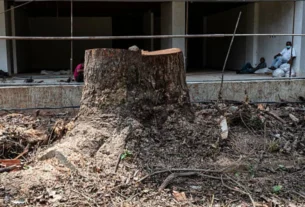
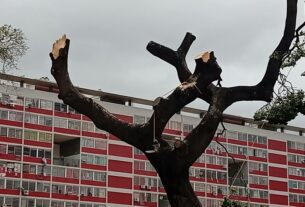
Despite its protected status, relentless human pressure continues to threaten the area through forest fires and illegal occupation for farming. This critical situation prompted Venezuelan biologist and primatologist Diana Liz Duque Sandoval to establish and lead the project independently. Faced with a historic lack of institutional support and previous research on the species in Venezuela, Duque took the lead in securing international funding and building global conservation networks to prevent Ateles hybridus from disappearing unnoticed.
A vital “umbrella species” for the ecosystem
Beyond its undeniable charismatic appeal, Ateles hybridus plays a fundamental ecological role as an “umbrella species.” Because this large primate needs vast expanses of healthy, continuous forest to survive, measures that protect its habitat also safeguard hundreds of other animal and plant species that share its environment.
Its role as a forest gardener is irreplaceable. Its predominantly fruit-based diet leads it to consume an enormous variety of wild fruits and disperse their seeds across long distances through its feces. This process supports the forest’s natural regeneration and preserves the genetic diversity of the reserve’s trees.
By protecting the forest canopy where the spider monkey lives, Project Ateles therefore indirectly safeguards the area’s terrestrial biodiversity, bringing large predators such as jaguars, herbivores such as deer and tapirs, and countless species of birds and insects under the same protective “umbrella.”
Goals: science, education, and connectivity
Project Ateles takes a comprehensive approach to conservation through three fundamental goals:
- Scientific monitoring and research: Generate accurate ecological data on population density, feeding habits, and the social structure of groups surviving in severely fragmented landscapes.
- Mitigating habitat loss: Work alongside authorities and local producers to curb illegal occupation, fight forest fires, and develop plans to restore biological corridors that reconnect isolated forest patches.
- Environmental education and awareness: Shift perceptions in neighboring rural communities through workshops, cultural events, and arts-based education, while working to eliminate destructive practices such as poaching and the illegal trafficking of young animals for the pet trade.
Caparo’s rangers: building a strong community identity
One of the project’s most significant milestones came with the creation of the Caparo forest ranger network. With direct financial support from international zoological organizations in Europe—including Bioparc Conservation in France and partner zoos in Germany and New Zealand—the project has continuously hired and trained residents from surrounding rural communities.
These local rangers not only conduct surveillance patrols to reduce pressure from agricultural expansion, but also carry out preventive fire control, maintain research trails, and work as field assistants in collecting scientific data.
This approach completely transforms the reserve’s social dynamics: rural residents move from viewing the forest as “worthless” land to seeing it as a living heritage that creates jobs while fostering pride and regional identity.
Through more than a decade of continuous records, Project Ateles has shown that field science combined with local community empowerment offers the only formula capable of keeping biodiversity alive in vulnerable territories.
As long as the spider monkey’s distinctive call continues to echo through the treetops of Caparo, Venezuela’s forests will have hope.